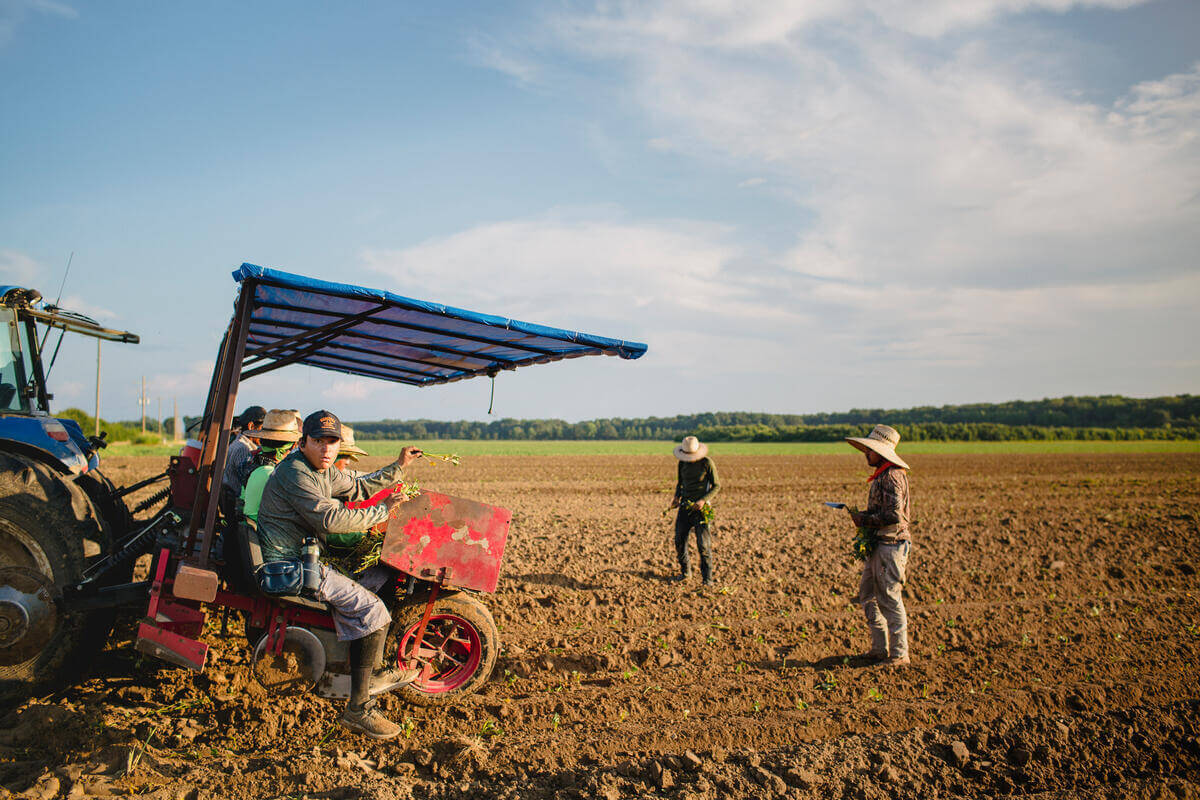
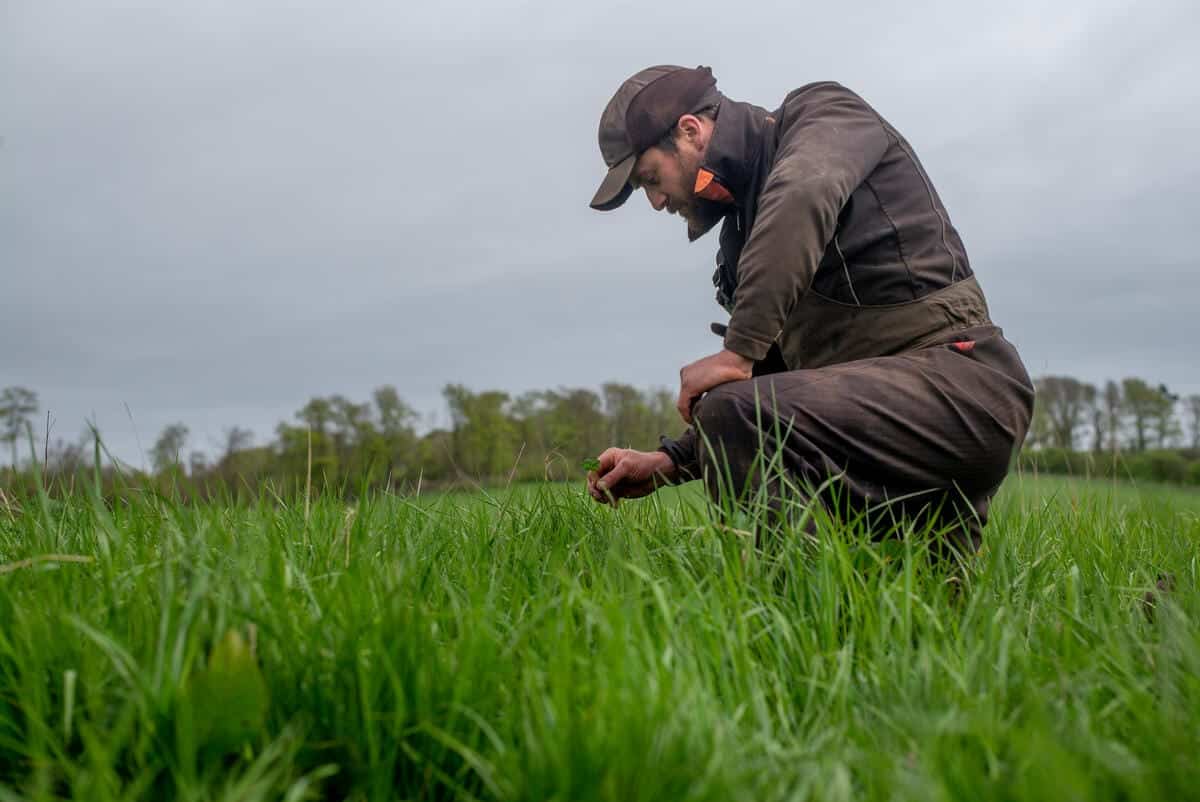
Food systems issues are complex and interconnected, but historically, policy processes and governance arrangements for food, climate, nature conservation and land management operated in silos. For instance, policies to address nutrition issues are often handled by health ministries, while climate-related matters are often administered by the ministry of energy or industry, or by environmental decision-makers alongside biodiversity issues. Identifying and managing trade-offs across social, economic, and environmental dimensions is challenging. Power imbalances in food systems, along with long-lasting lock-ins and path dependencies, exacerbate the complexity. Power imbalances between actors can often result in exclusion from decision-making, inequities, exploitation, malnutrition and food insecurity for marginalized groups.
Multi-stakeholder collaboration is an important component for ensuring a holistic, equitable, and inclusive approach to policymaking and implementation for food systems transformation. Multi-stakeholder collaboration (MSC) refers to collaborative arrangements among stakeholders from two or more different spheres of society (e.g., public sector, private sector and/or civil society) who pool their resources together, sharing risks and responsibilities to solve a common issue, handle conflicts, and/or elaborate shared visions. MSC enables the integration of diverse perspectives, including those of Indigenous Peoples and local communities, who often possess valuable knowledge about and practical experience including nature-positive food production practices within the landscapes they traditionally inhabit.


The United Nations Environment Program (UNEP), the Food and Agriculture Organization (FAO), and the UN Development Program (UNDP) have jointly created a guide on how to improve multi-stakeholder collaboration for sustainable food systems transformation. The following measures are a summary of this guidance. For detailed steps and examples, please consult the guide.
- Foster broad and inclusive multi-stakeholder participation:
- With special attention to those who are traditionally excluded and marginalized from decision-making, engaging different food systems stakeholder groups (e.g., from public and private sectors; civil society organizations; community-based, grassroots, and Indigenous Peoples groups; NGOs; consumers; organizations representing producers; food systems workers; international and donor communities; academia and knowledge institutions; and media).
- Ensure inclusive multi-stakeholder representation by assessing and balancing representation around the table from the outset, at different scales and levels of engagement, through a comprehensive food systems and stakeholders mapping and analysis.
- Conduct a detailed stakeholder mapping exercise, exploring various stakeholders’ motivations for engagement. The analysis may include a political economy dimension to understand power dynamics and the interests of various actors in maintaining or changing the current state. This nuanced insight guides strategies to handle potential resistance and identifies alliances supportive of the collaboration.
- Ensure stakeholders have a solid understanding of the food system:
- Define characteristics of food system assessments: This can include the analysis of the food and agriculture system and its impacts, an analysis of policies and initiatives, an analysis of existing institutions within the food system and recommendations for focus areas and policy responses.
- Choose the right methodology depending on available financial and human resources to assess food systems such as using the Food Systems Decision-Support Toolbox for a comprehensive assessment of food systems.
- Ensure the full integration of biodiversity and its multiple values for food systems into food governance. Involve conservation organizations in the food system policy space and incorporate biodiversity indicators in food system assessments.
- Nurture inclusive and effective collaboration:
- Establish a governance structure for MSC initiatives. This may include a steering committee, working groups and task teams, and a support structure which can be based in a neutral organization or independent entity. The governance structure should be adapted depending on power structures, systems entry points, the institutions involved, resources and capacities. While establishing a governance structure, managing biases, ensuring inclusiveness, and making decision-making processes based on achieving consensus should be considered.
- Establish a communication strategy and prioritize good facilitation to ensure all stakeholders are being reached and heard.
- Manage power imbalances by strengthening stakeholders’ capacities to actively engage. This can be achieved by ensuring an enabling environment that is conducive to engagement, stimulating collective action, appraising power imbalances, and building competencies and skills for collaboration.
- Work through conflict by developing a shared group identity and using techniques such as synchronized de-escalation and mediation.
- Define a compass and a roadmap:
- Building a shared vision and strategy among all stakeholders is crucial as it fosters resilience and the strength to cope with political changes, improves policy coherence, and facilitates better communication.
- When developing a strategy, define a theory of change as a useful approach to deal with complexity – e.g. nexus between food, climate, biodiversity and water extending across all levels of governance.
- Move from strategies to action by setting clear objectives, a mix of measures and instruments to achieve the goals and a well-defined institutional framework.
- Engage in continuous participatory monitoring, evaluation and learning to distil learnings for any adjustments needed to the strategy. The criteria to evaluate an initiative should include relevance, effectiveness, impact, coherence, efficiency, and sustainability.
- Secure sustainability of collaboration:
- Ensure institutionalization through a legal form of registration, governance structure, and funding.
- Finance inclusive multi-stakeholder collaboration to ensure its sustainability, ideally diversifying the sources of funding.
Effective governance measures such as the following are essential for advancing inclusive, multi-stakeholder approaches to food governance:
- Establish democratic civic spaces ensuring that all stakeholders, including marginalized groups, have a platform to participate in decision-making.
- Develop transparent monitoring and accountability mechanisms to track the performance and inclusivity of food governance frameworks.
- Design long-term support systems across public, private, and civil society sectors for multi-stakeholder collaboration.
- Strengthen marginalized stakeholders’ capacity to participate effectively through rights-based planning, legal empowerment, and community-led initiatives.
- Foster horizontal integration among government ministries to address sectoral overlaps and facilitate coherent policymaking.
- Create inter-ministerial committees or identify a lead ministry with a coordinating role to ensure alignment across food system policies.
- Prioritize territorial governance to address local needs and build partnerships at regional and community levels.
- Establish food system councils, landscape partnerships, and city-region collaborations to create long-term strategies for food governance.
- Embed human rights, such as the right to food and nutrition, into governance mechanisms to ensure equitable access and protect vulnerable populations.
- Reform public expenditure and create mechanisms like Money Flows Assessments to align financial systems with sustainable food system objectives.
- Develop new financial models, such as territorial banks, to support cross-sectoral investments and biodiversity-focused initiatives.
- Promote policy coherence by aligning laws and incentives with sustainable, biodiversity-friendly practices.
Tools and guides to support the strengthening of inclusive, multi-stakeholder approaches to food governance can include:
Tools
International Potato Center (CIP) Participatory Impact Pathways Analysis (PIPA): A practical method for project planning and evaluation
PIPA is a practical planning, and monitoring and evaluation approach developed for use with complex projects in the water and food sectors.
UNEP, FAO and UNDP Rethinking Our Food Systems: A Guide for Multi-Stakeholder Collaboration
Annex 1 of the UNEP, FAO and UNDP guide outlines a suite of tools and resources for monitoring, evaluation and learning in each step of the multistakeholder collaboration process, including tools for fostering broad multi-stakeholder participation, food systems mapping and analysis, nurturing inclusive and effective collaboration, defining a compass and a roadmap, and securing sustainability of collaboration.
Guides
FAO Participatory Monitoring and Evaluation (PM&E) with Pastoralists: A Review of Experiences
This guide reviews documented experiences, including “grey” literature, on PM&E with pastoralists and other livestock keepers. PM&E involves engaging primary stakeholders, such as local communities, in monitoring and evaluating programs or projects. This approach is increasingly recognized for its ability to enhance program ownership, improve accountability, and promote sustainability in food systems transformation.
Strengthening inclusive multi-stakeholder approaches in food governance can also help advance the targets of the UAE Framework for Global Climate Resilience, the Kunming-Montreal Global Biodiversity Framework (KM-GBF), as well as those of the Sustainable Development Goals (SDGs).
Climate change mitigation benefits
Multi-stakeholder collaboration in food governance can lead to substantial mitigation benefits by promoting holistic, resource efficient and sustainable practices throughout the food system.

Climate change adaptation benefits
Among the seven key areas of adaptation put forward in the UAE Framework for Global Climate Resilience, strengthening inclusive and multi-stakeholder approaches in food governance can directly contribute to:
- Target 9a (Water & Sanitation): Food governance intersects with water management, as sustainable agriculture relies on climate-resilient water supply and sanitation. Participatory approaches can help address water scarcity and ensure access to safe water in the face of climate impacts by enabling rapid and inclusive responses to local threats to water security.
- Target 9b (Food & Agriculture): Inclusive governance approaches are crucial to ensure equitable access to adequate food and nutrition for all. Inclusive multi-stakeholder collaboration is also required to support the sound design and effective uptake of sustainable and regenerative production practices, and facilitates equitable interventions to strengthen the resilience of food systems to climate impacts.
- Target 9d (Ecosystems): Multi-stakeholder involvement promotes ecosystem-based adaptation and nature-based solutions, enabling different stakeholders to collaborate for the management, restoration, and conservation of ecosystems that underpin food systems.
- Target 9f (Livelihoods): Strengthening food governance through inclusive multi-stakeholder collaboration can ensure that interventions in agriculture and food systems addressing aspects ranging from ecosystem protection from diversion, food production practices, food processing and transportation, and the like, do not disrupt and rather support and enhance livelihoods, especially for vulnerable groups and communities.
Biodiversity benefits
Action under this policy option can help to deliver on several KM-GBF targets, in particular:
- Target 1 (Plan and Manage all Areas To Reduce Biodiversity Loss): Inclusive multi-stakeholder collaboration brings together diverse groups including public and private sectors, civil society, Indigenous Peoples, and local communities to participate in spatial planning. This collective approach is fundamental to the objective of Target 1 to ensure that land and sea use changes are managed effectively and in a participatory way, respecting the rights and knowledge of all stakeholders.
- Target 3 (Conserve 30% of Land, Waters and Seas): Inclusive governance fosters equitable management of protected areas, as envisaged under Target 3, by involving all relevant stakeholders in decision-making processes. This enhances the effectiveness of conservation efforts and ensures that the rights and contributions of Indigenous Peoples and local communities are recognized and respected.
- Target 19 (Mobilize $200 Billion per Year for Biodiversity From all Sources, Including $30 Billion Through International Finance): Inclusive multi-stakeholder approaches can significantly contribute to increasing financial resources for biodiversity conservation. By fostering partnerships and the diversification of funding sources, these approaches can help mobilize and align finance with the goals and targets of the KM-GBF.
- Target 22 (Ensure Participation in Decision-Making and Access to Justice and Information Related to Biodiversity for all): Strengthening inclusive multi-stakeholder approaches directly supports this target by creating platforms for marginalized groups, including women, youth, and Indigenous communities, to participate actively in biodiversity-related decision-making processes. This inclusivity leads to more comprehensive and effective governance and biodiversity outcomes.
Other sustainable development benefits
This report and this policy brief provide an overview of how inclusive multi-stakeholder approaches in food governance can support the delivery of multiple SDGs by:
- SDG 2 (Zero Hunger): improving the targeting of food availability and affordability strategies towards vulnerable groups.
- SDG 3 (Good Health and Well-Being): promoting equitable access to healthy and sustainable foods, and sustainable food production practices, for example agroecological approaches, which minimize negative health impacts.
- SDG 5 (Gender Equality): empowering women by ensuring their representation in decision-making processes and addressing systemic barriers to gender equality within food systems.
- SDG 6 (Clean Water and Sanitation): improving equitable access to clean water for agriculture and sanitation and promoting collaboration towards the adoption of sustainable water management practices.
- SDG 10 (Reduced Inequalities): reducing inequalities by prioritizing vulnerable populations, addressing systemic drivers of inequity, and ensuring fair access to resources and opportunities across food systems.
- SDG 13 (Climate Action): promoting collaborations to adopt climate-resilient agriculture, reduce greenhouse gas emissions, and integrate food systems into climate policies.
- SDG 14 (Life Below Water): promoting the equitable and effective protection of marine ecosystems by addressing overfishing, reducing water pollution, and promoting sustainable aquaculture.
- SDG 15 (Life on Land): promoting the equitable and effective protection of terrestrial biodiversity habitats, addressing deforestation and other land-use conversion, and promoting sustainable land use practices.
- SDG 16 (Peace, Justice, and Strong Institutions): strengthening institutions by fostering participatory decision-making processes that include marginalized groups.
- SDG 17 (Partnerships for the Goals): strengthening global partnerships by facilitating collaboration among governments, private sectors, civil society, and local communities to align actions with sustainable development goals.
Effective design and implementation are critical to the success of interventions and projects aimed at enhancing inclusive multi-stakeholder approaches in food governance. However, these efforts often face a variety of technical and non-technical obstacles, such as:
- Collaboration between the private and public sector: Mistrust and tension between the private and public sectors persist, with the private sector frequently prioritizing competition over collaboration.
- Unfair commercial advantages for firms: Firms can gain access to information through multi-stakeholder collaboration initiatives that offers them unfair commercial advantages.
- Biases and marginalized communities’ exclusion in decision-making processes if there are no support structures and processes to facilitate their participation.
- The risk of reinforcing rather than mitigating power imbalances in food systems.
- Conflict of Interest: Divergent interests and conflicting priorities among stakeholders may impede progress. Competing agendas and the pursuit of individual goals can create tensions, making it challenging to reach consensus on shared objectives.
- Lack of Representation: Incomplete or unequal representation of relevant stakeholders may result in policies that do not consider the interests of all affected parties and may perpetuate inequalities.
- Coordination Challenges: Coordinating diverse stakeholders with different organizational structures, communication styles, and cultures can be complex. This may result in communication breakdowns, misunderstandings, and difficulties in aligning actions and strategies.
- Slow Decision-Making: Achieving consensus among multiple stakeholders can be time-consuming. Delays in decision-making may occur as participants navigate negotiations, leading to slower response times, which could be critical in dynamic situations.
- Stakeholder Capacity Disparities: Differences in technical knowledge, resources, and capacity among stakeholders can lead to imbalanced representation in decision-making processes.
- Resource Intensiveness: Managing a multi-stakeholder collaboration requires significant time, effort, and resources. Coordinating meetings, facilitating discussions, and ensuring continuous engagement can strain the resources of involved organizations.
- Limited Accountability: The diffusion of responsibility among numerous stakeholders can create challenges in holding specific individuals or organizations accountable for outcomes. This lack of accountability may hinder the effective implementation of agreed-upon initiatives.
- Resistance to Change: Stakeholders may resist changes that impact their interests, particularly if they feel their concerns are not adequately addressed. Overcoming resistance and ensuring commitment to shared goals can be challenging.
- Loss of Focus: With numerous voices and perspectives, there is a risk of losing focus on the core objectives of the collaboration. Balancing inclusivity with a clear and defined agenda is crucial to avoid mission drift.
- Legal and Regulatory Challenges: Navigating legal and regulatory frameworks that govern different stakeholders can be complex. Ensuring compliance with diverse legal requirements may pose challenges and require careful negotiation.
Adopting a well-rounded and integrative strategy to enhance inclusive multi-stakeholder participation in food governance interventions can help navigate trade-offs and overcome obstacles during implementation by incorporating the following key measures:
- Apply recommended principles for managing conflicts of interest, such as maintaining an official record of potential conflict of interest, communicating with partners on possible conflicts of interest and ensuring transparency in internal decision-making.
- Analyse social, economic and environmental trade-offs to identify the right mix of policies and practices that can minimize them and even generate “trade-ons”.
- Address power imbalances through measures such as incentives to stimulate and protect collective action.
- Establish procedures for synchronized de-escalation, mediation, and conflict resolution to address divergences in stakeholder interests.
- Establish and foster a shared and easily comprehensible language and communication framework for all stakeholders.
Comprehensive monitoring tools, clearly defined indicators, and well-structured frameworks are critical for accurately tracking and evaluating the implementation and outcomes of strengthened inclusive multi-stakeholder approaches in food governance, including those related to biodiversity and climate objectives.
Indicators to monitor biodiversity outcomes
The Parties to the Convention on Biological Diversity agreed to a comprehensive set of headline, component, and complementary indicators for tracking progress toward the targets of the KM-GBF. Some of these indicators could also be functional for monitoring the implementation of this policy option. These indicators are:
| KM-GBF Target | Headline or binary indicator | Optional disaggregations | Component indicator | Complementary indicator |
|---|---|---|---|---|
| Target 1 | 1.b Number of countries using participatory, integrated and biodiversity-inclusive spatial planning and/or effective management processes addressing land- and sea-use change to bring the loss of areas of high biodiversity importance close to zero by 2030 | |||
| Target 3 | 3.CY.5 Number of protected areas that have completed a site-level assessment of governance and equity | |||
| Target 19 | D.CY.6 International funding targeted at indigenous peoples and local communities within biodiversity-related activities D.CY.7 International funding targeted at youth within biodiversity-related activities D.CY.8 International funding targeted at gender equality and women’s rights policy objectives within biodiversity-related activities D.CY.11 Domestic funding targeted at indigenous peoples and local communities within biodiversity-related activities D.CY.12 Domestic funding targeted at youth within biodiversity-related activities D.CY.13 Domestic funding targeted at gender equality and women’s rights policy objectives within biodiversity-related activities D.CY.14 Private funding targeted at indigenous peoples and local communities within biodiversity-related activities D.CY.15 Private funding targeted at youth within biodiversity-related activities D.CY.16 Private funding targeted at gender equality and women’s rights policy objectives within biodiversity-related activities D.CY.17 Private funding mobilized for indigenous peoples and local communities, women and youth | |||
| Target 22 | Land-use change and land tenure in the traditional territories of indigenous peoples and local communities 22.b Number of countries taking action towards the full, equitable, inclusive, effective and gender‑responsive representation and participation in decision-making, and access to justice and information related to biodiversity by indigenous peoples and local communities, respecting their cultures and their rights over lands, territories, resources and traditional knowledge, as well as by women and girls, children and youth, and persons with disabilities, and the full protection of environmental human rights defenders | Disaggregations by indigenous and traditional territories and governance of all indicators are relevant to Target 22 | 21.CT.2 Participation of indigenous peoples and local communities in decision-making related to the implementation of the Convention at all levels 21.CT.3 Index of Linguistic Diversity 22.CT.1 Proportion of total adult population with secure tenure rights to land, (a) with legally recognized documentation, and (b) who perceive their rights to land as secure, by sex and type of tenure 22.CT.2 Number of verified cases of killings and other attacks against environmental human rights defenders in the previous 12 months | 22.CY.1 Proportions of positions in national and local institutions, including (a) the legislatures; (b) the public service; and (c) the judiciary, compared to national distributions, by sex, age, persons with disabilities and population groups 22.CY.2 Proportion of countries with systems to track and make public allocations for gender equality and women’s empowerment 22.CY.3 (a) Proportion of total agricultural population with ownership or secure rights over agricultural land, by sex; and (b) share of women among owners or rights-bearers of agricultural land, by type of tenure 22.CY.4 Proportion of countries where the legal framework (including customary law) guarantees women’s equal rights to land ownership and/or control 22.CY.5 Proportion of population who believe decision-making is inclusive and responsive, by sex, age, disability and population group 22.CY.6 Area covered by the reported territories and areas governed, managed and conserved by custodian indigenous peoples and local communities (ICCAs—territories of life) |
Tools to monitor biodiversity outcomes
Not applicable
Tools to monitor climate outcomes
Not applicable
Not available
Notable examples of the successful implementation of strengthened inclusive multi-stakeholder approaches in food governance include:
- Antananarivo Food Policy Council in Madagascar: Between 2020 and 2022, the Antananarivo Food Policy Council (AFPC) contributed to the development of a strategy and action plan to strengthen the resilience of Antananarivo’s city-region food system. The strategy development built on a participatory assessment of the city-region’s food system and was led by a core team composed of the Urban Municipality of Antananarivo, the Analamanga Region, and the Regional Directorate of Agriculture and Livestock from the Ministry in Analamanga. The multi-level nature of this team contributed to its success, and their proximity to decision makers aided with getting political buy-in for the strategy and ensuring its success.
- Participatory Urban Agriculture Program in Ecuador: In Quito, this program brings together diverse stakeholders, including local government, civil society, and private sector actors, to promote sustainable urban agriculture. This collaborative effort has led to the creation of urban gardens, contributing to increased green spaces, preservation of local plant species, and enhanced urban biodiversity.
- Lao PDR, Zimbabwe, Madagascar, and Vanuatu: These countries have showcased exemplary engagement with multi-sector stakeholders across different governance levels. They implemented a whole-of-society and whole-of-government approach to integrating biodiversity conservation into agri-food sectors, demonstrating how collaborative governance can directly support biodiversity preservation.
- Adam L, James T and Munyua Wanjira A. Frequently Asked Questions About Multi-Stakeholder Partnerships in ICTs for Development: A Guide for National ICT Policy Animators. Melville: Association for Progressive Communications; 2007. https://www.apc.org/sites/default/files/CATIA_MS_Guide_EN.pdf
- CBD. (n.d.). 2030 Targets (with Guidance Notes). Retrieved December 10, 2024, from https://www.cbd.int/gbf/targets.
- Melvin, L, Wood, K, Andraka, S, and Petit, N. A Guide to Effective Collaborative Action: Deep collaboration for systemic change in food and agricultural commodity systems. UNDP; 2024. https://www.undp.org/facs/publications/effective-collaborative-action
- Nicolini, G, Bladon, A, Ducros, A, Swiderska, K, Torres Ledezma, C, and Bortoletti, M. Food systems governance and the environmental agenda. IIED; 2023.https://www.iied.org/sites/default/files/pdfs/2023-09/21616IIED.pdf
- One Planet Network Sustainable Food Systems Programme. Towards a Common Understanding of Sustainable Food System; 2020. www.oneplanetnetwork.org/sites/default/files/from-crm/sfs_programme_glossary_towards_a_common_understanding_of_sfs_2020.pdf
- Posthumus H, Bosselaar J and Brouwer H. The Food Systems Decision-Support Toolbox. Wageningen: Wageningen Centre for Development Innovation; 2021. https://edepot.wur.nl/541410.
- UN. (2021). Policy Brief | Governance of Food Systems Transformation. Retrieved from https://www.unfoodsystemshub.org/docs/unfoodsystemslibraries/fss-community/chapter-2/policybrief_governanceunfss.pdf?sfvrsn=edae3afc_1.
- UNEP, FAO, & UNDP (Eds.). (2023). Rethinking our food systems: a guide for multi-stakeholder collaboration. https://wedocs.unep.org/bitstream/handle/20.500.11822/42743/Rethinking_food_systems.pdf?sequence=3&isAllowed=y
- UNEP. (2019). Collaborative Framework for Food Systems Transformation. Retrieved from https://www.oneplanetnetwork.org/sites/default/files/un-e_collaborative_framework_for_food_systems_transformation_final.pdf.