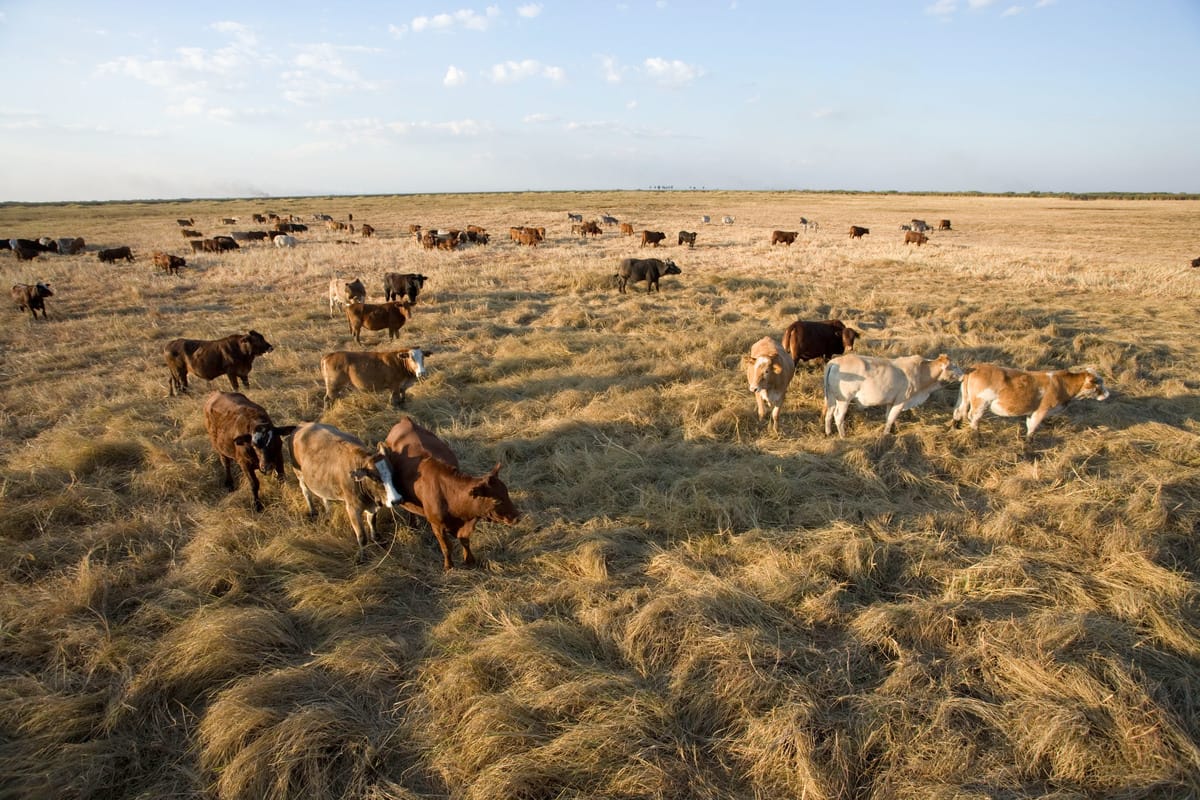
After oceans, soils are the second largest active carbon sink, with 1,500 billion tons of carbon found in soil organic matter worldwide. Soils are the most complex and biodiverse ecosystem in the world, hosting more than 25% of the world’s biological diversity. Biodiversity in soil, which ranges from microbes to vertebrates that sometimes use soils for only part of their lives, contributes to ecosystem services such as nutrient cycling, water filtration, pest control, carbon storage, and soil stabilization, all important for the wellbeing of people and the planet.
Soil organic carbon represents 25% of the full potential of natural climate solutions. However, soil health and biodiversity below ground has been largely neglected by the industrial agricultural revolution of the last century. Unsustainable land management practices that degrade soils have led to not only greenhouse gas (GHG) emissions but also a reduction in soils’ ability to sequester carbon and support agricultural productivity. Between 20-40% of the global land area is degraded or degrading to varying extents and degrees, negatively affecting over 3.2 billion people. Therefore, restoring soil health is crucial for enhancing biodiversity and productivity of food landscapes, and it can play a significant role in climate change mitigation and adaptation.
Soil health refers to the ability of the soil to sustain the productivity, diversity and environmental services of terrestrial ecosystems. Depending on the site, healthy soil can ensure high productivity, water retention and overall environmental health, leading to improved ecosystem functions and services. Soil health maintains the whole ecosystem and is associated with building soil organic carbon and reducing GHG emissions such as carbon dioxide (CO2), nitrous oxide (N2O), and methane (CH4). Soil health depends on the physical, chemical and biological properties or composition of the soil, which are all interconnected. Soil health is the prerequisite for sustainable crop production. Understanding and improving these properties can result in improving the productive capacity of soil, along with boosting crop yield and quality. Therefore, safeguarding soil health and its productive capacity can help improve food security and nutrition outcomes.


Natural biological processes in healthy soils enable carbon sequestration and soil fertility. Farming practices that support soil health need to be customized or adapted to local conditions. However, some overarching strategies are used in nearly all climate zones, soil conditions or crop systems:
- Minimizing soil disturbance (e.g., no- or minimum tillage) through direct seed and/or fertilizer placement, which involves growing crops with minimum soil disturbance during and since the harvest of the previous crop. It can be used with all annual and perennial crops and vegetables. Direct planting can be done manually (e.g. jab planters) or mechanically (e.g. animal or tractor-drawn no-till drills) while avoiding compaction of soil. Minimizing disturbance protects against soil compaction, the loss of soil carbon through erosion and rapid breakdown of organic matter in the soil.
- Maintaining permanent soil cover with mulch, live mulch or crop residues. Mulch is any organic material (such as decaying leaves, bark or compost) spread over soil and crops to enrich and insulate the soil. Live mulch is a crop used in intercropping for the purposes of providing soil cover. Crop residues or live cover protect the soil from the direct impact of erosive raindrops, and conserve the soil by reducing evaporation and suppressed weed growth. Cover crops provide temporary or permanent vegetative cover to control erosion, reduce nutrient runoff and leaching, suppress weed growth, improve soil fertility, and increase biological diversity. Farmers can also customize cover crop mixes and management practices to meet their specific goals. Maintaining soil cover protects against erosion by wind and water and lower surface temperatures reduce the rate of decomposition of organic matter and hence, emissions of CO2. Organic mulches are a source of carbon added to the soil and stimulate activity of meso- and microorganisms.
- Using organic fertilizer, which increases organic matter with natural inputs while reducing or eliminating synthetic fertilizer inputs. Common organic inputs include compost, animal manure and bedding, bone meal and blood meal, seaweed and algae, and green manure crops, especially legumes. Rotating livestock in fallowed fields is an additional method for manure-based fertilization. Adaptive nutrient management is important during a transition to improve soil health and establish a new equilibrium but relies on cropping systems and the availability of natural inputs. Organic fertilizers are a source of organic carbon for building soil carbon directly and indirectly by supporting stronger plant growth.
- Applying biochar in soil, if suited to the conditions, can assist carbon sequestration, improve soil quality, and bolster productivity and crop production.
- Integrated Soil Fertility Management (ISFM) following the 4Rs (Right Source of nutrients, at the Right Rate, at the Right Time and in the Right Place) of nutrient stewardship helps to optimize resource use. ISFM is a set of soil fertility management practices that require the use of fertilizer, organic inputs and improved germplasm, combined with knowledge on how to adapt these practices to local conditions. The approach aims to maximize agronomic use efficiency of the applied nutrients, improve crop productivity and eventually phase out the use of synthetic fertilizers. Especially in areas with poor soils, IFSM can help to steadily build up soil fertility, as more productive crops potentially increase organic carbon inputs to the soil from roots and plant litter over time.
- Maximizing plant species diversification involves cultivating a variety of crops that belong to the same or different species in each area through varied crop sequences and associations. Breeding crop plants with deeper and bushy root ecosystems could simultaneously improve both the soil structure and its levels of steady-state carbon, retention of water and nutrients, and plant yields.
- Reintroducing a diverse array of native plant species into agricultural systems can substantially increase soil carbon storage. High plant diversity has been shown to enhance carbon capture and storage rates on degraded and abandoned agricultural lands. This improves soil fertility and supports a wider range of ecosystem services.
- Crop rotation involves growing a series of crops in the same area in sequence, for example, alternating cereals (e.g. maize and wheat) with legumes (for example, beans). Along with cover crops, nitrogen-fixing cash crops (primarily legumes, such as peas or beans) can provide an additional source of soil nitrogen. Although most research examining the benefits of crop rotations focuses on soil fertility, research also confirms that increasing crop diversity through multispecies rotations produces a corresponding increase in soil species richness, which together with stronger plant growth with different rooting depths, can increase the amount of carbon stored in the soil.
- Erosion control: Minimize the potential for erosion through conservation systems that protect crop fields from wind and water runoff through terracing, windbreaks and contour bunds as well as buffer strips, considering local topography (steep slopes are vulnerable to erosion by water, flat open areas are vulnerable to erosion by wind). Erosion can result in net loss of organic and inorganic carbon from soil.
The above practices are often integrated in larger systems that include other practices which have the potential to increase soil health and biodiversity:
- Integrated manure management: This includes the optimal handling of livestock manure involving its collection, storage, treatment and application. See Implementing sustainable livestock management practices.
- Integrated crop-livestock system: This includes, for example, rotating livestock grazing and crops, or grazing livestock on cover crops. See Implementing integrated crop-livestock systems.
- Agroforestry (the interaction of agriculture and trees, including the agricultural use of trees): This involves the planting of trees or shrubs in or around farmland or pastureland. Agroforestry on degraded lands increases soil organic carbon, improves soil nutrient availability and fertility, enhances soil microbial dynamics, reduces soil erosion and enhances biodiversity. Implementation of agroforestry systems should rely on a sophisticated design in order to avoid competition of trees and crops and ensure synergies between different species. See Implementing agroforestry practices.
Reducing land-use change and conversion of natural ecosystems for food production: For more details on measures to address direct and underlying drivers of ecosystem conversion, see Reducing land-use change and conversion of natural ecosystems for food production.
The following governance measures to promote soil health in crop systems are based on examples implemented across the globe:
- Secure land tenure rights: Land managers and farmers are more likely to invest in soil management measures if their land rights are sufficient and secure. Security of tenure can be improved by land registration and titling, but other measures may be more effective depending on the context. Such measures should be equitable and gender-responsive to prevent unequal land access and enable women to be effective stewards of the environment.
- Full and effective participation from and inclusion of Indigenous Peoples, local communities and stakeholders helps enable decisions involving informed consent for decisions related to lands and resources in existing government plans and programs, as well as evaluating economic, social and environmental trade-offs during program design.
- Providing and promoting agricultural advisory services, awareness-building and capacity-building measures for example through farmers’ collectives for the improvement and dissemination of soil conservation practices can also help implement sustainable agricultural practices for soil health.
- Scaling market-based instruments (e.g., pricing CO2 emissions with a carbon tax or Emission Trading Systems and rewarding net soil carbon sequestration with carbon price-based payment).
- Reassessing large-scale agricultural subsidies that may encourage overproduction or monoculture practices, as these can impact soil health over time.
- Reinforcing or establishing regulations that increase the use of practices that enhance soil organic carbon and prevent the loss of organic soils, which can increase soil carbon stocks (e.g. in the United States, the Farm Bill requires farmers to comply with specific provisions to access U.S. Department of Agriculture (USDA) program benefits. These provisions include, for example, the Highly Erodible Land Conservation program, which enforces soil conservation practices on farmlands).
- Scaling government certification schemes (e.g., CARBOCERT in Spain established methodologies to measure net soil carbon sequestration on farmlands that can be certified and provides farmers the opportunity to access government subsidies to support the adoption of soil carbon storage practices).
- Incentivizing agroforestry systems: policies could promote the adoption of agroforestry systems that integrate trees, shrubs, and crops on the same land. This practice not only sequesters significant amounts of carbon in both vegetation biomass and soils but also enhances biodiversity by creating diverse habitats and supporting species richness.
- Integrating soil biodiversity into broader policy agendas for food security, ecosystem restoration, climate change adaptation and mitigation, and sustainable development.
- Integrating soil rehabilitation into urban policies e.g., promoting the use of biosolids recovered from municipal solid waste as compost to enhance soil health in urban farming systems. For more information see Building circular food systems in cities.
Some comprehensive tools and guides to support enhancing soil health in crop systems are listed as follows:
Tools
FAO EX-Ante Carbon-balance Tool
An appraisal system developed by the FAO that helps project designers estimate and prioritize activities with good economic and climate change mitigation benefits. The tool can be used for sustainable land management, watershed development, forestry management, food security, crop intensification, and livestock production.
Soil Data of Africa Dashboard
Continent-wide soil data and soil information relevant for sustainable intensification of agriculture in Africa.
Verra Methodology for Improved Agricultural Land Management (VM0042)
VM0042 quantifies the greenhouse gas emission reductions and soil organic carbon removals that result from improved agricultural land management (ALM) practices. ALM includes practices such as water management, biomass residue management, improvements in fertilizer use, reduced tillage, grazing practices, and practices for cash and cover crop planting and harvesting.
Guides
4p1000 Initiative
A global initiative that facilitates concrete actions around land and soil management, encouraging a transition to regenerative, productive, and resilient agriculture that benefits farmers and herders.
FAO Global Soil Partnership
A global mechanism to place soils into the Global Agenda and promote sustainable soil management. The Partnership works to improve soil governance and guarantee productive soils for food security, climate change adaptation and mitigation, and sustainable development.
GEO BON Soil Biodiversity Observation Network (Soil BON)
Constituted as a global Soil Biodiversity Observation Network (Soil BON), this group is working in partnership with the Global Soil Biodiversity Initiative (GSBI) and other global and regional partners to make available the soil biological and ecosystem observations needed to ensure living soil resources are sustainably conserved and managed and can support essential human needs.
GIZ Whitepaper Soil First: Advancing Food System Transformation from the Ground Up
The paper is based on the experiences of the GIZ ProSoil initiative and expert interviews. It offers guidance and recommendations, as well as a comprehensive reflection on lessons learned. It articulates the best practices and scalable solutions emerging from local soil protection and rehabilitation efforts, and links these to global agendas.
Enhancing soil health in crop systems through soil carbon sequestration can also help advance the targets of the UAE Framework for Global Climate Resilience, the Kunming-Montreal Global Biodiversity Framework (KM-GBF), as well as those of the Sustainable Development Goals (SDGs).
Climate change mitigation benefits
Enhanced soil carbon management in croplands has a large emissions mitigation potential. The FAO estimates its global technical mitigation potential (i.e., what can theoretically be achieved with current techniques) at 1.9 (0.4–6.8) Gt of CO2 per year. At the farm level, soil organic carbon sequestration in croplands has been estimated to range between 0.1 and 0.75 tons of carbon per hectare per year. It should be noted, however, that carbon content does not increase infinitely, and reaches a saturation level after which it no longer increases further. It can also be re-released, if practices are not maintained or if triggered by climactic changes.
Depending on the context, enhanced soil health can help avoid emissions, for example, by:
- preventing the release of CO2 due to soil disturbance or erosion, through practices like adding organic mulches or crop diversification and rotation,
- best-practice nitrogen emissions management through approaches like integrated manure management or agroforestry that may reduce the amount of synthetic fertilizer applied, hence reducing the GHG emissions associated with their life cycle.
Climate change adaptation benefits
Among the seven key areas of adaptation put forward in the UAE Framework for Global Climate Resilience, sequestering carbon in soil and enhancing soil health in crop systems can directly contribute to:
- Target 9a (Water & Sanitation:) Soil with higher organic carbon content has better water retention capacity, reducing the risk of both drought and flooding. Improved soil structure helps filter and purify water and reduces runoff and soil erosion. This contributes to cleaner and more resilient water supplies, leading to better sanitation and drinking water outcomes for communities. Measures for improving soil health such as the appropriate use of organic fertilizers can also reduce reliance on chemical fertilizers, reducing water pollution. In turn, healthier soils are better able to discharge ecosystem services like nutrient cycling and pest control, further reducing the need for applying synthetic inputs.
- Target 9b (Food & Agriculture): Improving soil health increases the organic matter and fertility of soils, which can lead to higher and more stable crop yields, especially in arid regions. This enhances food security and makes agricultural systems more resilient to climate shocks such as droughts.
- Target 9c (Health): Soil management measures may promote the cultivation of nutritious foods, in particular a variety of legumes. Healthier soils may also produce more nutritious crops, improving dietary quality and public health. Reduced use of agrochemicals as a result of better soil management lowers the risk of water and food contamination, leading to healthier and more resilient communities. Additionally, resilient food systems can help prevent malnutrition during climate-related disruptions. Soil bacteria and fungi are also the main sources of several types of medications, especially antibiotics.
- Target 9d (Ecosystems): An increase in soil organic carbon supports above and below-ground biodiversity. Healthy, biodiverse soils contribute to several ecosystem services such as pollination, pest control, climate regulation, and water and nutrient cycling, making ecosystems more resilient to climate change. Healthier soils are less prone to soil degradation, are increasingly resilient to environmental shocks and associated with reduced greenhouse gas emissions.
- Target 9f (Livelihoods): By making soils more productive and resilient, carbon sequestration and soil health improvement enhances economic stability, helping secure livelihoods and reducing poverty. Measures to improve soil health such as crop diversification, agroforestry or integrated crop-livestock management can also provide additional income opportunities.
- See further relevant information in Implementing integrated crop-livestock systems, Implementing agroforestry practices, Implementing improved management practices in grasslands, and Implementing nature-positive food production practices.
Biodiversity benefits
Enhancing soil health in crop systems can help progress on multiple targets of the KM-GBF. These include:
- Target 2 (Restore 30% of all Degraded Ecosystems): Enhancing soil health in crop systems directly contributes to this goal by restoring degraded agricultural lands. Improved soil management practices can enhance ecosystem functions, biodiversity, and ecological integrity in these areas. By increasing organic matter content and promoting soil biodiversity, this policy option aligns closely with the restoration objectives outlined in the target.
- Target 7 (Reduce Pollution to Levels That Are Not Harmful to Biodiversity): By improving soil structure and increasing biological activity, practices fostering soil health enhance nutrient retention and cycling, potentially reducing excess nutrients lost to the environment, and reducing dependence on (and therefore pollution from) chemical inputs.
- Target 8 (Minimize the Impacts of Climate Change on Biodiversity and Build Resilience): Soil carbon sequestration can significantly contribute to climate change mitigation by offsetting up to 4% of annual global human-induced GHG emissions over the rest of the century. In addition, soils may contribute to microclimate regulation through their impact on regional water cycles. Healthier and more biodiverse soils are also more resilient to the impacts of climate change like drought, flooding and disease as they can provide crucial ecosystem functions more effectively.
- Target 10 (Enhance Biodiversity and Sustainability in Agriculture, Aquaculture, Fisheries, and Forestry): Implementing practices that improve soil health inherently enhance soil biodiversity as well as fertility and ecosystem services delivered by healthy soil. These practices, such as crop rotations and low-/no-tilling, can enhance productivity while reducing the need for chemical inputs. Furthermore, increased water retention in the soil can reduce the need for irrigation, which in turn contributes to sustainable water management. See also Strengthening land-use and freshwater governance.
- Target 11 (Restore, Maintain and Enhance Nature’s Contributions to People): Healthy soils are more productive, and by improving soil health, this policy option enhances nature’s contributions to people, including better water regulation and purification, increased agricultural productivity, and improved climate resilience.
Other sustainable development benefits
Enhancing soil health in crop systems through sustainable soil management can support the delivery of multiple SDGs, as it can:
- SDGs 1 (No Poverty) and 8 and (Decent Work and Economic Growth): maintain and increase agricultural productivity and secure livelihoods, by making soils more productive and resilient to climate and other environmental shocks. Better food, water and nutritional security also contributes to reducing poverty.
- SDG 2 (Zero Hunger): bolster food and nutritional security by promoting the cultivation of more nutritious crops, improve the overall health of cultivated crops, and stabilize or increase yields, especially in arid regions.
- SDGs 3 and 6 (Good Health and Well-Being, and Clean Water and Sanitation): improve nutritional security, provide sources for medication, and mitigate water contamination from synthetic agricultural inputs, besides improving water retention, infiltration, and purification.
- SDGs 5 and 10 (Gender Equality and Reduced Inequalities): provide greater tenure security and opportunities for income and environmental stewardship for smallholder farmers and land managers, including women and Indigenous Peoples, if interventions are implemented in an equity-sensitive manner.
- SDG 12 (Responsible Consumption and Production): increase crop productivity, improve water management and crop nutrient uptake, and support biodiversity, thus decreasing the negative environmental effects of food production and consumption.
- SDG 15 (Life on Land): protect below- and above-soil biodiversity. This is especially significant since soil is home to more than 25% of global biological diversity.
The success of enhancing soil health in crop systems hinges on the design and effective implementation of targeted interventions. However, these initiatives can encounter both technical and non-technical challenges, and may have trade-offs that may compromise their intended outcomes, including:
- High initial investment costs associated with machinery, and labour costs, depending on the choice of management practices.
- Lack of funding (e.g. organizational credit) can hinder development and farmers’ capacity building activities.
- Inconsistent organizational policies and lack of organizational facilities to service farmers.
- Difficulties maintaining crop residue on farms (e.g. leading to outbreaks of pests). In other cases, crop residues are a source of income for farmers or used for livestock feed, fuel or building material and are hence removed from the fields.
- Potential yield reductions in colder regions, impacting farmers’ incomes, mostly during a transition period.
- Nitrogen immobilization if materials with a high carbon-to-nitrogen ratio are incorporated. This increases biological activity, which causes a greater demand for nitrogen.
- Albedo (surface reflectivity) may decrease for some soils as soil organic matter content increases, which can increase the absorption of solar radiation in the soil, and thus have a warming effect.
- Increased nitrogen leaching from organic matter rich soil, which can impact water quality.
- Depending on soil management practice, increased weeding need and/or herbicides use in no-till systems.
- It is important to be aware that a change of soil management practices and the resulting increase of soil organic carbon does not necessarily lead to carbon sequestration (and hence negative emissions). In soils which are in a state of continuous carbon loss, a build-up of carbon may only result in a reduction in carbon losses rather than actual sequestration and hence needs to be accounted for differently.
- See further relevant information in Implementing integrated crop-livestock systems, Implementing agroforestry practices, Implementing improved management practices in grasslands, and Implementing nature-positive food production practices.
Integrating the following measures into a comprehensive and cohesive framework can help address implementation challenges and minimize potential trade-offs:
- It is important to be aware that a change of soil management practices and the resulting increase of soil organic carbon does not necessarily lead to carbon sequestration (and hence negative emissions). In soils which are in a state of continuous carbon loss, a build-up of carbon can result in a reduction in carbon losses, and hence needs to be accounted for differently.
- Mainstreaming sustainable soil management practices into relevant ministries and local and regional institutions and ensuring they are equipped with the necessary resources – including trained and motivated extension workers – to provide farmers with effective assistance.
- Increasing measures to reduce knowledge barriers to sustainable soil management carbon sequestration practices, such as government advisory services and investments in Research & Development, including the co-design of practices with the farmers in living labs.
- Providing credit to farmers to buy equipment and inputs through banks and credit agencies at reasonable interest rates.
- Offering financial (affordable lines of credit) and practical support for the measurement of net soil carbon sequestration and other abatement practices to farmers wishing to participate in carbon credit schemes or offset markets to encourage investments. Guidelines for agricultural carbon offset projects are provided by the G7 CompensACTION Initiative.
- Reducing tariffs on imported soil management equipment to encourage and promote their availability. Over time, producing this equipment locally will boost availability, customize the equipment for local needs, create jobs and cut costs.
- Scaling support for capacity building on soil health at all levels.
- Design and implementation of crop rotations according to the various objectives, for instance: food and fodder production, residue production, pest and weed control, nutrient uptake or biological subsurface mixing/cultivation.
- Use of appropriate/improved seeds of adapted varieties for high yields as well as high residue biomass production of above-ground and below-ground parts, based on soil and climate conditions.
- Holistic impact assessment, and stringent monitoring, reporting and verification of measures such as biochar application for enhancing the carbon sequestration capacity of soil.
- Scaling subsidies and other incentives to compensate for yield reductions (e.g. access to premium sustainable markets).
- Intervening on the demand side by informing and incentivizing consumers to adapt their behaviour.
- See further relevant information in Implementing integrated crop-livestock systems, Implementing agroforestry practices, Implementing improved management practices in grasslands, and Implementing nature-positive food production practices.
Effective tracking of efforts to sequester carbon in soil and improve soil health in crop systems relies on strong monitoring tools, clear indicators, and structured frameworks that capture both implementation progress and related biodiversity and climate outcomes.
Indicators to monitor biodiversity outcomes
The Parties to the Convention on Biological Diversity agreed to a comprehensive set of headline, component, and complementary indicators for tracking progress toward the targets of the KM-GBF. Some of the following indicators could also be used for monitoring the implementation of this policy option. These indicators are:
| KM-GBF Target | Headline or binary indicator | Optional disaggregations | Component indicator | Complementary indicator |
|---|---|---|---|---|
| Target 2 | 2.CT.1 Proportion of land that is degraded over total land area | |||
| Target 7 | 7.2 Pesticide environment concentration and/or aggregated total applied toxicity | For indicator 7.2: By pesticide type By use of pesticide products in each sector | 7.CT.1 Cropland nutrient budget | |
| Target 8 | 8.b Number of countries with policies to minimize the impact of climate change and ocean acidification on biodiversity and to minimize negative and foster positive impacts of climate action on biodiversity | B.1 disaggregation: Total climate regulation services provided by ecosystems and by ecosystem type | 8.CY.1 Above-ground biomass stock in forest (tons/ha) 8.CY.2 National greenhouse gas inventories from land use, land-use change and forestry | |
| Target 10 | 10.1 Proportion of agricultural area under productive and sustainable agriculture | 10.CY.1 Agrobiodiversity Index 10.CY.2 Soil organic carbon stocks 2.CT.1Proportion of land that is degraded over total land area | ||
| Target 11 | B.1 Services provided by ecosystems |
Tools to monitor biodiversity outcomes
CIFOR Land Degradation Surveillance Framework for assessing soil health, land degradation and vegetation diversity
A comprehensive method for assessing soil and land health, from the field to the use of new and advanced data analytics. Land health generally refers to the degree to which the integrity of the soil, vegetation, water and air, as well as ecological processes, are balanced and sustained.
FAO SoilSTAT
In partnership with the Global Soil Partnership (GSP), the FAO is designing SoilSTAT, a system for monitoring, forecasting and reporting periodically on the status of global soil resources, including on soil biodiversity.
FAO Tool for Agroecology Performance Evaluation (TAPE)
This report provides indicators for assessing soil health and agrobiodiversity.
NIAB Soil Health Assessment Guide
In partnership with the University of Cambridge Institute for Sustainability Leadership (CISL) and ASDA, this provides guidance on how assessments of soil health indicators can be made most effectively on-farm, to monitor the continued capacity of soil to function as a vital living ecosystem that sustains plants, animals, and humans.
USDA Cropland in-field Soil Health Assessment Guide
With some adaptation, this tool may provide some qualitative means to track changes over time or compare fields under different management practices. Indicators include, for instance, water infiltration, soil structure, plant roots, and biological diversity.
Tools to monitor climate outcomes
Carbon Benefits Project (CBP)
The CBP provides tools to estimate the impact of agriculture, forestry, and other land use activities on carbon stock changes and greenhouse gas emissions.
EO4CarbonFarming MRV Tool
The EO4CarbonFarming MRV Tool includes functionalities to monitor the carbon in plant and soil, to report on required measures like crop rotation and catch crop planting, and to verify them. Additionally, their impact can be evaluated. This enables performance assessment of sustainability measures and more resilient farming practices. Reliable determination of field carbon stocks is key to monitoring the climate impacts of carbon farming and to developing business models.
FAO Soil Carbon Monitoring Using Surveys and Modelling
This study presents how to design such an inventory and discusses alternative approaches, including their advantages and drawbacks, to monitoring changes in soil carbon stock. In addition, it provides an example of a practical soil survey application, namely the soil carbon stock inventory of the National Forestry Resources Monitoring and Assessment project of the United Republic of Tanzania.
World Bank Soil Organic Carbon MRV Sourcebook for Agricultural Landscapes
This Sourcebook proposes a framework for soil carbon systems where assessment and monitoring at the project scale align with landscape and jurisdictional scales and with national commitments.
Estimated costs vary by country due to region-specific socio-economic conditions and institutional capacities, but a reported estimation includes:
- The 6th IPCC Assessment Report of 2022 estimates that given current technologies, 3.4 (1.4–5.5) Gt of CO2eq per year of mitigation through soil carbon management in croplands, grasslands, agroforestry and biochar is theoretically achievable at the annual cost of USD 100 per ton of CO2eq for the period 2020-2050.
Several prominent projects serve as successful examples of, or are attempting, carbon sequestration implementation:
- France is implementing a program 4 per 1000, launched in 2015, to enhance soil carbon sequestration and biodiversity through agricultural practices. The country’s approach, as outlined in its NDC, includes several measures that contribute to both carbon sequestration and biodiversity enhancement. These measures are expected to sequester about 5.7 Mega tonnes of carbon in the top 30 cm of soil over the program period of 30 years, in around 28,500 kilo hectares of land on the national scale. This supports various ecosystem services related to climate change adaptation, food security, and biodiversity enhancement.
- GIZ ProSoil: From 2014 to 2027, GIZ and the German Federal Ministry for Economic Cooperation and Development (BMZ) are implementing a program to conserve and rehabilitate soil, enhancing food security and sustainable land use in six African countries and India. ProSoil supports its partners in the widespread implementation of climate-smart agroecological practices, offering farmers training and guidance on reducing soil erosion and enhancing and maintaining soil fertility. Upon completion, the project will conserve or rehabilitate 816,000 hectares of soil, bolster resilience against drought, increase crop yields, and contribute to income and food security. A follow-up project also started in 2025.
- CGIAR’s Research Program on Maize shows that conservation agriculture reduces farmer vulnerability to climate risks throughout southern Africa. Farmer adoption of conservation agriculture practices covers more than 627,000 hectares in Malawi, Zambia and Zimbabwe, with yield benefits of 30% to 50% (up to 140%) under drought conditions. The results have enriched the discussions on climate-smart agriculture and associated policies in southern Africa.
- The Sustainable Intensification of Maize and Legumes farming systems in Eastern and Southern Africa (SIMLESA) project, funded by the Australian Centre for International Agricultural Research (ACIAR) has significantly increased food crop yields up to 38%, as well as incomes, while maintaining soil health in the countries where it has been implemented (Ethiopia, Kenya, Malawi, Mozambique, Rwanda, Tanzania and Uganda).
- Abagandura, G. O., Şentürklü, S., Singh, N., Kumar, S., Landblom, D. G., & Ringwall, K. (2019). Impacts of crop rotational diversity and grazing under integrated crop-livestock system on soil surface greenhouse gas fluxes. PLoS ONE, 14(5). Retrieved February 6, 2024, from https://www.ncbi.nlm.nih.gov/pmc/articles/PMC6530893/
- Al-Kaisi, M. M., & Yin, X. (2005). Tillage and Crop Residue Effects on Soil Carbon and Carbon Dioxide Emission in Corn–Soybean Rotations. Journal of Environmental Quality, 34(2), 437–445
- Ataei, P., Sadighi, H., Aenis, T., Chizari, M., & Abbasi, E. (2021). Challenges of Applying Conservation Agriculture in Iran: An Overview on Experts and Farmers’ Perspectives. Air, Soil and Water Research, 14, 1178622120980022
- Bhan, S., & Behera, U. K. (2014). Conservation agriculture in India – Problems, prospects, and policy issues. International Soil and Water Conservation Research, 2(4), 1–12
- Calvo, F. (n.d.). How Farm Policies Can Help Protect Our Soils. International Institute for Sustainable Development. Retrieved February 7, 2024, from https://www.iisd.org/articles/analysis/farm-policies-protect-soils
- Carbon Standards International. (2023). Global Artisan C-Sink: Guidelines for carbon sink certification for artisan biochar production (Version 1.0). https://www.carbon-standards.com/en/standards/service-505~global-artisan-c-sink.html
- Carvalho, J. L. N., Raucci, G. S., Frazão, L. A., Cerri, C. E. P., Bernoux, M., & Cerri, C. C. (2014). Crop-pasture rotation: A strategy to reduce soil greenhouse gas emissions in the Brazilian Cerrado. Agriculture, Ecosystems & Environment, 183, 167–175
- CGIAR. (n.d.). Conservation agriculture in east and southern Africa. Main messages. Retrieved January 29, 2026, from https://cgspace.cgiar.org/server/api/core/bitstreams/f20a1dac-02c9-472b-a342-f2591f6ab0b0/content
- Clardy, J., Fischbach, M., & Currie, C. (2009). The natural history of antibiotics. Current Biology : CB, 19(11), R437–R441.
- Climate Smart Agriculture Sourcebook. (n.d.). Retrieved February 6, 2024, from https://www.fao.org/climate-smart-agriculture-sourcebook/production-resources/module-b7-soil/chapter-b7-3/en/
- Conservation agriculture reduces climate risks throughout Southern Africa. (n.d.). CGIAR. Retrieved February 7, 2024, from https://www.cgiar.org/annual-report/performance-report-2020/conservation-agriculture-reduces-climate-risks-throughout-southern-africa/
- Contour Farming – an overview | ScienceDirect Topics. (n.d.). Retrieved February 13, 2026, from https://www.sciencedirect.com/topics/agricultural-and-biological-sciences/contour-farming#chapters-articles
- Dickinson, D., Balduccio, L., Buysse, J., Ronsse, F., Huylenbroeck, G. van, & Prins, W. (2015). Cost-benefit analysis of using biochar to improve cereals agriculture. GCB Bioenergy, 7(4), 850–864
- Diop, S., Cardinael, R., Lauerwald, R., Ferlicoq, M., Thierfelder, C., Chikowo, R., et al. (2024). Interaction between soil type and cropping system on albedo dynamics leads to contrasted impact on climate mitigation [Conference_item]. Retrieved January 28, 2026, from https://agritrop.cirad.fr/609270/
- European Union DG-ENV. (2011). SOIL: the hidden part of the climate cycle. Retrieved from https://climate.ec.europa.eu/system/files/2016-11/soil_and_climate_en.pdf
- FAO. (2012). Soil carbon monitoring using surveys and modelling: General description and application in the United Republic of Tanzania (Forestry Paper No. 168). https://www.fao.org/4/i2793e/i2793e00.htm
- FAO. (2019). TAPE Tool for Agroecology Performance Evaluation 2019 – Process of development and guidelines for application. Retrieved from https://www.fao.org/3/ca7407en/ca7407en.pdf
- FAO. (2019). Tool for agroecology performance evaluation (TAPE): Process of development and guidelines for application – Test version. FAO. https://www.fao.org/agroecology/database/detail/en/c/1430122/
- FAO. (2021). Climate change mitigation options in agrifood systems: Summary of the Working Group III contribution to the Intergovernmental Panel on Climate Change Sixth Assessment Report (AR6). Retrieved from https://www.fao.org/documents/card/en/c/cc4943en
- FAO. (n.d.). Benefits of Conservation Agriculture (CA). Retrieved February 7, 2024, from https://www.fao.org/conservation-agriculture/impact/benefits-of-ca/en/
- FAO. (n.d.). SoilSTAT. FAO. Retrieved October 15, 2025, from https://www.fao.org/land-water/databases-and-software/soilstat/en/
- GEO BON. (n.d.). Soil BON. Retrieved October 15, 2025, from https://geobon.org/bons/thematic-bon/soil-bon/
- GIZ. (2025). Soil First: Advancing food system transformation from the ground up. GIZ. https://www.giz.de/en/projects/soil-matters-innovations-soil-health-and-agroecology
- GIZ. (2025). Soil Matters: Innovations for Soil Health and Agroecology (Global programme, 2025‑2029). GIZ. https://www.giz.de/en/projects/soil-matters-innovations-soil-health-and-agroecology
- Goswami, S. B., Mondal, R., & Mandi, S. K. (2020). Crop residue management options in rice–rice system: a review. Archives of Agronomy and Soil Science. Retrieved February 7, 2024, from https://www.tandfonline.com/doi/abs/10.1080/03650340.2019.1661994
- Henderson, B., Lankoski, J., Flynn, E., Sykes, A., Payen, F., & MacLeod, M. (2022). Soil carbon sequestration by agriculture: Policy options. Retrieved February 7, 2024, from https://www.oecd-ilibrary.org/agriculture-and-food/soil-carbon-sequestration-by-agriculture_63ef3841-en;jsessionid=CC7AnzMq1vfeipkJ25culTmXLEII5ueAZGIoo1-d.ip-10-240-5-171
- ISRIC – World Soil Information. (n.d.). Africa Soil Information Service (AfSIS). Retrieved October 15, 2025, from https://africasis.isric.org/bio
- Kell, D. B. (2011). Breeding crop plants with deep roots: their role in sustainable carbon, nutrient, and water sequestration. Annals of Botany, 108(3), 407
- Laban, P., Metternicht, G., & Davies, J. (2018). Soil biodiversity and soil organic carbon: keeping drylands alive (1st edn). Retrieved January 29, 2026, from https://portals.iucn.org/library/node/47735
- Lal, R., Bouma, J., Brevik, E., Dawson, L., Field, D. J., Glaser, B., et al. (2021). Soils and sustainable development goals of the United Nations: An International Union of Soil Sciences perspective. Geoderma Regional, 25, e00398.
- Lal, R., Monger, C., Nave, L., & Smith, P. (2021). The role of soil in regulation of climate. Philosophical Transactions of the Royal Society B. Retrieved February 8, 2024, from https://royalsocietypublishing.org/doi/10.1098/rstb.2021.0084
- McPhee, C., & Schwarz, G. (2025). Living Labs for Innovation in Agriculture: Where Does the Approach Go From Here?: [Special Issue on Living Labs and Collaborative Innovation]. Journal of Innovation Management, 12(4), X–XXI.
- NIAB & Institute for Sustainability Leadership. (n.d.). ASDA Soil Health Assessment Guide. NIAB / University of Cambridge Institute for Sustainability Leadership. Retrieved from https://www.niab.com/event-hub/soils-and-farming-systems/soils-and-farming-systems-2021/video-soil-health-assessment-2021
- Rockström, J., Kassam, A., Friedrich, T., Reicosky, D., Dumanski, J., Goddard, T., & Peiretti, R. A. (2026). Conservation agriculture: helping to return to within planetary boundaries. Global Sustainability, 9, e11.
- Rumpel, C., Henry, B. K., Chenu, C., & Amiraslani, F. (2022). Benefits and trade-offs of soil organic carbon sequestration
- Six, J., Conant, R. T., Paul, E. A., & Paustian, K. (2002). Stabilization mechanisms of soil organic matter: Implications for C-saturation of soils. Plant and Soil, 241(2), 155–176.
- Soil+ the SDGs: the answer lies beneath our feet. (n.d.). Coalition of Action for Soil Health. Retrieved February 8, 2024, from https://www.coalitionforsoilhealth.org/news/soil-the-sdgs-the-answer-lies-beneath-our-feet
- Soil Biodiversity – an overview | ScienceDirect Topics. (n.d.). Retrieved January 29, 2026, from https://www.sciencedirect.com/topics/earth-and-planetary-sciences/soil-biodiversity
- Sun, W., Canadell, J. G., Yu, L., Yu, L., Zhang, W., Smith, P., et al. (2020). Climate drives global soil carbon sequestration and crop yield changes under conservation agriculture. Global Change Biology, 26(6), 3325–3335
- Thierfelder, C., Bunderson, W., & Mupangwa, W. (2015). Evidence and Lessons Learned from Long-Term On-Farm Research on Conservation Agriculture Systems in Communities in Malawi and Zimbabwe. Environments, 2, 317–337
- Țopa, D.-C., Căpșună, S., Calistru, A.-E., & Ailincăi, C. (2025). Sustainable Practices for Enhancing Soil Health and Crop Quality in Modern Agriculture: A Review. Agriculture, 15(9). Retrieved February 13, 2026, from https://www.mdpi.com/2077-0472/15/9/998
- Turmel, M.-S., Speratti, A., Baudron, F., Verhulst, N., & Govaerts, B. (2015). Crop residue management and soil health: A systems analysis. Biomass Use Trade-Offs in Cereal Cropping Systems: Lessons and Implications from the Developing World, 134, 6–16
- USDA. (2021). Cropland in‑field soil health assessment guide (Soil Health Technical Note No. 450‑06). https://www.nrcs.usda.gov/sites/default/files/2022-10/Cropland_InField_Soil_Health_Assessment_Guide.pdf
- Wageningen Centre for Development Innovation, Wageningen University & Research. (2021). Food-system interventions with climate change and nutrition co-benefits: A literature review. Retrieved from https://www.ifad.org/documents/38714170/43188972/wageningen_foodsystems.pdf/b163afbd-8e20-ea3d-a7ab-77328ddf6adb?t=1622789088577
- Wei, Z., Hoffland, E., Zhuang, M., Hellegers, P., & Cui, Z. (2021). Organic inputs to reduce nitrogen export via leaching and runoff: A global meta-analysis. Environmental Pollution, 291, 118176.
- World Agroforestry. (2023). The Land Degradation Surveillance Framework Field Manual. CIFOR‑ICRAF. https://www.cifor-icraf.org/knowledge/publication/25533/
- World Bank. (2021, June 30). Soil Organic Carbon MRV Sourcebook for Agricultural Landscapes. World Bank. https://hdl.handle.net/10986/35923