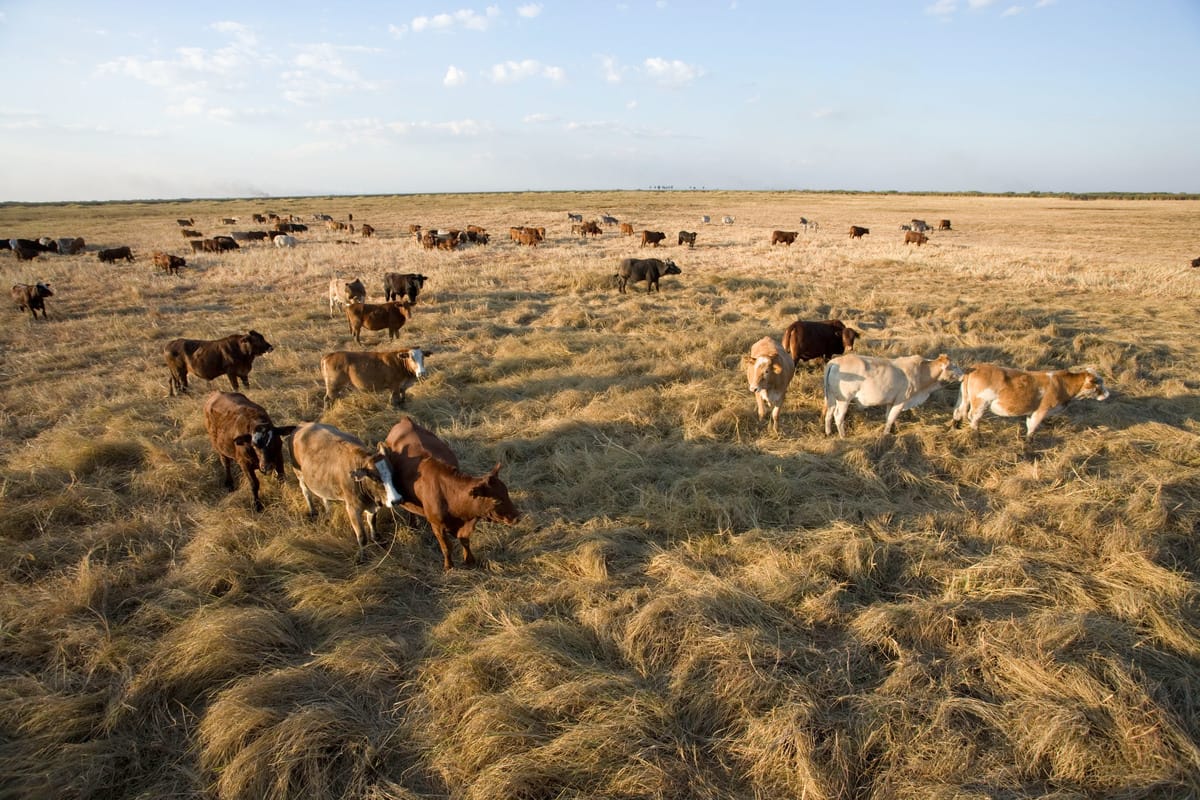
The restoration of wetland ecosystems is the process of halting and reversing their degradation, resulting in improved ecosystem services and recovered biodiversity. In the Ramsar Convention, wetlands are defined as “areas of marsh, fen, peatland or water, whether natural or artificial, permanent or temporary, with water that is static or flowing, fresh, brackish or salt, including areas of marine water the depth of which at low tide does not exceed six meters”. As such, wetlands can take many forms with large wetland areas often including a combination of different freshwater systems.
Often described as “biological supermarkets”, wetlands are renowned for their extraordinary productivity and biodiversity. They support complex food webs that sustain both wildlife and human populations. Although wetlands cover only 6% of the Earth’s surface area, approximately 40% of all plant and animal species live or breed in wetlands including 30% of all known fish species. To date, over 100,000 freshwater species have been identified in these ecosystems, with hundreds more discovered each year.
Wetlands are indispensable to global food systems. They directly support agriculture by supplying water for crops, livestock, and aquaculture, and are especially critical for rice cultivation and pond fisheries. Globally, more than one billion people rely on fish harvested from wetlands as their primary source of protein.
Wetlands also contribute to food security by regulating water supply, cycling nutrients, controlling agricultural pests, and providing habitat for pollinators, thereby strengthening agricultural productivity and resilience. Wetlands also hold significant carbon capture capacity – often termed “blue carbon” stock – making them critical for mitigating climate change. For example, peatlands store twice as much carbon as global forests despite covering only 3% of land. Additionally, many sites across the world also hold spiritual and religious significance, and provide medicine and materials for local communities.
Wetlands are currently one of the most at-risk ecosystem on Earth, disappearing at a rate three times faster than forests. Since 1970, approximately 35% of global wetlands have been lost, with agriculture as the main driver of degradation and conversion of these vital ecosystems. The Ramsar Convention warns that without urgent action up to 20% of the world wetlands could vanish by 2050, with the cost of habitat loss estimated to USD 39 trillion in benefits that support people, economies, and other natural ecosystems.
Wetland restoration can be operated through various practices and approaches. In some cases, restoration activities focus on reducing or halting disturbances to the ecosystem and to the species inhabiting it to allow their recovery through natural processes. In other cases, the recovery of ecosystem functions and services demands more laborious approaches involving the removal or modification of barriers such as dikes, levees, and dams to re-establish natural water flow, halting the drainage of wetlands, re-contouring the landscape to restore the wetland’s original topography and microhabitats, which is essential for proper water retention and distribution. Restoration can also involve the removal of invasive alien species, and planting and seeding of native wetland vegetation to accelerate the establishment of diverse plant communities.
Given the diversity and the context-specific nature of wetland restoration, a wealth of guidelines exists for specific implementation measures. The Conference of the Parties of the Ramsar Convention have agreed on principles and guidelines for wetland restoration that hold the potential to deliver great benefits for food security and livelihoods:
- Goal setting & planning
- Clearly define restoration goals with consideration for food system outcomes such as sustainable agriculture, fisheries productivity, and food security.
- Integrate ecosystem services that support food systems (e.g., water filtration for irrigation, flood mitigation for croplands, and habitat for fish and pollinators).
- Mitigate risks to food systems by avoiding side effects like crop loss from flooding or increased vector-borne diseases.
- Explore opportunities to link restoration efforts with voluntary carbon markets, leveraging carbon credits to provide income compensation and further incentivize sustainable food system outcomes.
- Ecological design & site considerations
- Apply ecological engineering to restore hydrological regimes that support agroecological landscapes and maintain soil fertility.
- Prioritize restoration strategies re-establishing ecosystem functions, which form the basis for regulating services (e.g., climate and water regulation), supporting (e.g., photosynthesis, soil, habitats) and provisioning services (e.g., timber, wild foods, freshwater, fodder).
- Catchment-based planning
- Restore wetlands in ways that support upstream and downstream food production systems, including irrigation networks and floodplain agriculture.
- Recognize the role of wetlands in maintaining groundwater recharge and surface water availability critical to agriculture and aquaculture.
- Traditional knowledge integration
- Consider involvement of local communities not just as stakeholders but as active participants in planning and implementation as empowering communities through co-management arrangements can strengthen long-term stewardship and align ecological goals with local food security needs.
- Embrace traditional land-use systems that have historically integrated wetland stewardship with food production (e.g., rice paddies, rotational grazing, sustainable wild harvesting).
- Support agroecological knowledge that sustains both wetland ecosystems and community food security.
- Adaptive management
- Adapt restoration approaches based on feedback from food system outcomes, such as changes in fish populations, crop yields, or water availability.
- Monitor trade-offs between ecosystem restoration and agricultural productivity to ensure balance.
- Promote paludiculture in peatlands as option for sustainable use.
- Awareness and behaviour change
- Promote practices that reduce wetland degradation from agri- or aquaculture, such as stopping drainage, minimizing chemical runoff, avoiding over-extraction of water, and protecting buffer zones.
- Build food system resilience through community education on sustainable wetland-based livelihoods.
The Principles and Guidelines for Wetland Restoration adopted by the Ramsar Convention lays out a set of key governance measures for wetland restoration:
- National programs & inventories
- Include food system considerations (e.g., food provisioning potential, fishery recovery areas) in national inventories of wetlands suitable for restoration.
- Prioritization and policy integration
- Align wetland restoration with national food and nutrition security strategies, rural development plans, and sustainable agricultural policies.
- Conservation before restoration
- Protect wetlands that are critical to food systems, such as those supporting rice cultivation, artisanal fisheries, or traditional grazing, before considering restoration of degraded areas.
- Stakeholder involvement
- Engage food producers, fisherfolk, indigenous harvesters, and women (who often manage household food and nutrition security) in decision-making and implementation.
- Stewardship and incentives
- Design stewardship and incentive schemes that reward sustainable wetland-based food production and reduce harmful practices (e.g., draining wetlands for short-term crop gains).
- Promote market access for sustainably harvested wetland products.
- Knowledge sharing
- Document and share success stories where wetland restoration has improved food security, diversified livelihoods, or enhanced climate resilience.
- Community engagement
- Empower communities to co-manage wetlands that support their food systems, ensuring access to traditional food sources and equitable benefit-sharing from restoration outcomes.
Key guides to support the successful restoration of wetland ecosystems can include:
Guides
ICWWG Introduction and User’s Guide to Wetland Restoration, Creation, and Enhancement
The Interagency Workgroup on Wetland Restoration provides an introduction and User’s Guide to wetland restoration, developed by the United Stated Interagency Workgroup on Wetland Restoration.
FAO eLearning Course: Wetlands and Agriculture: Pathways to Sustainability
This two-lesson course emphasizes the importance of sustainable agricultural practices in wetland areas, offering guidance for policymakers to integrate environmental management, strengthen policies, build capacity and enhance cross-sectoral cooperation for sustainable agricultural development.
FAO Peatland Mapping and Monitoring Recommendations and Technical Overview
This report can act as a practical guide to facilitate decision-making and cater for country-specific as it offers the advantages and limitations of different monitoring approaches. It specifically provides information on the sustainable use of peatlands (paludiculture) or peatlands.
Ramsar Convention Handbooks for the Wise Use of Wetlands
Comprehensive guidance on wetland restoration and management developed under the Ramsar Convention on Wetlands.
Ramsar Convention Principles and guidelines for wetland restoration
Framework for planning, implementing, and managing wetland restoration projects.
U.S. EPA Principles of Wetland Restoration
List of principles for successful wetland restoration, developed by the United States Environmental Protection Agency (EPA).
Wetland ecosystem restoration can also help advance the targets of the UAE Framework for Global Climate Resilience, the Kunming-Montreal Global Biodiversity Framework (KM-GBF), as well as those of the Sustainable Development Goals (SDGs).
Climate change mitigation benefits
A briefing note from the Ramsar Conventions on Wetlands identifies that:
- Although wetlands occupy only approximately 6% of the Earth’s total land surface, their soil holds 35% or more of the estimated 1,500 gigatons of organic carbon that is stored in soil.
- Peatlands store twice as much carbon as global forests despite covering only 3% of land. Avoiding peatland fires prevents massive CO₂ releases.
- Coastal wetlands buffer storms and floods, reducing disaster-related emissions from infrastructure damage and post-disaster reconstruction.
- Inland wetlands regulate water cycles, mitigating droughts and temperature extremes that drive energy-intensive adaptation measures.
- Mangroves store about 1,130 tons of carbon per hectare in deep organic soils, with deposits persisting for millennia under stable hydrological conditions.
- Rewetting drained peatlands halts soil oxidation, immediately curbing CO₂ emissions from degraded sites while allowing vegetation to regenerate and restart carbon capture.
- Preventing coastal wetland conversion (e.g., mangroves to aquaculture) avoids releasing locked blue carbon and maintains ongoing sequestration.
- Biodiversity conservation in wetlands maintains ecosystem stability, ensuring long-term carbon storage functions remain resilient to climate shifts.
Climate change adaptation benefits
Wetland restoration can directly contribute to the following targets under the UAE Framework for Global Climate Resilience:
- Target 9a (Water & Sanitation): Restoration buffers against water scarcity, controls salinity, and reduces flood risks, supporting access to safe, affordable water. Wetlands retain and slowly release precipitation, stabilizing water supplies, recharging groundwater, and mitigating drought impacts.
- Target 9b (Food & Agriculture): Wetland restoration enhances climate-resilient food and agricultural production by supporting fisheries, aquaculture, and wet agriculture practices. Restored wetlands can increase sustainable and regenerative production, contributing to food security and nutrition for local communities.
- Target 9d (Ecosystems): Restoring wetlands conserves biodiversity, stabilizes shorelines, prevents erosion, and protects terrestrial, inland, marine, and coastal ecosystems from climate change. Restored wetlands provide refuges for species losing habitat, helping maintain ecological balance under climate stress.
- Target 9e (Infrastructure): Intact wetlands minimize damage to infrastructure by acting as natural buffers that absorb and store excess water from floods, storm surges, and heavy rainfall. They slow water flow and reduce flood velocity and severity, providing space for floodwaters to spread gradually. This lessens the impact on roads, buildings, and levees, while lowering costs associated with climate disasters and disruptions to local livelihoods.
- Target 9f (Livelihoods): Restored wetlands help buffer communities against extreme weather events by reducing storm surges, wave damage, floods, and shoreline erosion, thereby providing natural protection from intensifying climate-related disasters. Wetland restoration can help sustain local economies by providing livelihood opportunities through sustainable tourism, fisheries, and agriculture.
Biodiversity benefits
Wetlands restoration directly addresses multiple targets within the KM-GBF, particularly:
- Target 1 (Plan and Manage all Areas To Reduce Biodiversity Loss): Wetlands are biodiversity hotspots that support a disproportionately high diversity of life. A planned approach to wetland restoration is therefore essential to re-establish and re-connect ecosystems of high ecological integrity, helping to preserve these crucial habitats and the vast array of species that they house.
- Target 2 (Restore 30% of all Degraded Ecosystems): Wetlands restoration is explicitly included in the target to place 30% of degraded terrestrial, inland water, coastal, and marine ecosystems under effective restoration by 2030 to enhance biodiversity and ecosystem functions and services, ecological integrity, and connectivity. Given the advanced state of degradation of wetland ecosystems and being agriculture among the main drivers, making progress toward the restoration target of the KM-GBF demands to also reduce the impacts of food production on wetland ecosystems and the integration of wetland restoration principles and practices into food production,
- Target 4 (Halt Species Extinction, Protect Genetic Diversity, and Manage Human-Wildlife Conflicts): Wetland restoration is crucial for halting species extinction as these ecosystems serve as critical habitats for numerous threatened species.
- Target 7 (Reduce Pollution to Levels That Are Not Harmful to Biodiversity): Rehabilitated wetlands serve as natural buffers and filtration systems that can significantly improve water quality in surrounding environments.
- Target 8 (Minimize the Impacts of Climate Change on Biodiversity and Build Resilience): Wetlands sequester large amounts of carbons, making their restoration a powerful nature-based solution for climate mitigation. Additionally, restored wetlands enhance climate resilience by reducing the impacts of climate-induced disasters such as floods, droughts, and sea-level rise, thereby protecting both biodiversity and human communities.
- Target 10 (Enhance Biodiversity and Sustainability on Agriculture, Aquaculture, Fisheries and Forestry): Wetlands support agricultural, aquaculture, fisheries, and forestry by ecosystem functions and services regulation such as controlling pests, reducing flooding, recharging groundwater, nutrient cycling, and carbon sequestration. When managed sustainably, they can provide a source of water for crops and livestock and as habitat for rice production and aquaculture.
- Target 11 (Restore, Maintain and Enhance Nature’s Contributions to People): Wetland restoration enhances the provision of crucial ecosystem services including clean water, flood control, coastal protection, and fisheries productivity, benefiting both nature and people.
- Target 12 (Enhance Green Spaces and Urban Planning for Human Well-Being and Biodiversity): Green and blue spaces like wetlands can help improve health outcomes for urban populations and restoring urban wetlands or building new ones for the benefit of people and nature should be part of biodiversity plans.
Other sustainable development benefits
As outlined by the Ramsar Convention on Wetlands, wetland restoration can support the delivery of multiple SDGs, including:
- SDG 1 (No Poverty): Wetland restoration contributes to poverty alleviation by delivering essential ecosystem services that support the livelihoods and well-being of marginalized communities. They provide opportunities to livelihoods such as sustainable fisheries, agriculture, and eco-tourism, generating income and employment for local populations, as well as offering a reliable water source for agriculture and human consumption, especially during droughts. Additionally, wetlands provide protection against climate and disaster risks, preventing further hardship for vulnerable communities.
- SDG 2 (Zero Hunger): Wetlands help are crucial to food and water security. They support food production and store water for irrigation while being an essential source of easily accessible animal protein that contributes to a healthy diet, as well as maintaining ecosystem functions that support sustainable agriculture and healthy diets.
- SDG 6 (Clean Water and Sanitation): Wetlands provide freshwater for human consumption and act as natural water storage and filtration systems through processes such as natural filtration, slow water release, wastewater treatment, and interconnected wetland networks. They remove nutrients, sediments, and pollutants as water passes through vegetation and soils, which significantly improves water quality before it enters groundwater or downstream surface waters.
- SDG 8 (Decent Work and Economic Growth): Wetlands support more than a billion livelihoods worldwide through diverse activities and provide services of value to agriculture and industrial production, such as nutrient recycling, protection against flooding and water as well as promoting sustainable tourism that creates jobs and promotes local culture and products. Thereby contributing to decent work and economic growth.
- SDG 9 (Industry, Innovation, and Infrastructure): Wetlands offer nature-based solutions for mitigating and adapting to climate disasters by serving as cost-effective natural infrastructure. They buffer against floods and storm surges, regulate water cycles, store carbon, enhance drought resilience, support biodiversity, and strengthen ecosystem health, all while providing a more affordable alternative to engineered infrastructure.
- SDG 10 (Reduced Inequalities): Wetlands help reduce inequalities by providing equitable access to essential ecosystem services that benefit marginalized communities. Wetlands also promote community engagement as successful wetland management often involves community participation, thereby supporting social inclusion and cohesion.
- SDG 13 (Climate Action): Wetlands enhance climate resilience by reducing the impacts of climate-driven disasters and support mitigation through their ability to store large amounts of carbon. Peatlands and coastal marshes hold a significant share of the world’s organic carbon, helping curb greenhouse gas emissions and contributing to long-term climate goals.
- SDG 14 (Life below Water): Wetland restoration supports the protection of coastal ecosystems by providing habitat protection, flood and storm surge mitigation, water quality improvement, erosion control and shoreline stabilization. Coastal wetlands reduce the speed and height of storm surges and absorb floodwaters, lowering the risk of damage from extreme weather events and, mangroves and tidal marshes can reduce wave energy by 30–90% and coastal flooding by over 30%.
- SDG 15 (Life on Land): Wetland restoration is directly addressed under SDG 15, subgoal 15.1, which calls for the conservation, restoration, and sustainable use of terrestrial and inland freshwater ecosystems and their services, highlighting wetlands as one of these environments.
The success of wetland restoration interventions and projects depend on their design and effective implementation which can be hindered by both technical and non-technical challenges, including:
- Vague goals and evaluation criteria: Many projects lack specific, measurable objectives, complicating progress assessment and leading to inconsistent outcomes.
- Insufficient monitoring: Short-term monitoring horizons and inconsistent data collection hinder adaptive management and long-term success verification.
- Funding and Cost Underestimation: Restoration costs are frequently miscalculated, with insufficient budgets allocated for long-term monitoring and adaptive management.
- Technical and knowledge gaps: Inadequate understanding of hydrology, soil dynamics, and regional ecosystem variability results in unsuitable site selection and design flaws.
- Altered landscapes: Urbanization, climate change, and invasive species disrupt hydrological connectivity, complicating restoration in degraded or fragmented areas.
- Legal and social conflicts: Unclear land rights, stakeholder disagreements, and weak enforcement frameworks can delay or derail restoration efforts.
These may also lead to negative externalities and trade-offs:
- Land-Use conflicts: Restoring wetlands may displace agricultural activities, reducing food production and livelihoods in the short-term, as seen in drained wetlands converted for farming.
- Ecosystem service trade-offs: Focusing on one function (e.g., water retention) may reduce others (e.g. agricultural productivity), creating conflicts between stakeholders.
- Short-Term ecosystem disruptions: Initial restoration phases can temporarily disrupt local biodiversity and water quality until systems stabilize.
- Secondary pollution risks: Mechanical and chemical restoration methods can generate sludge or introduce pollutants, offsetting ecological gains.
Following measures as part of comprehensive and holistic design of wetland restoration interventions can help reduce trade-offs and address challenges in their implementation:
- Use standardized, field-based measurements of key services (e.g., soil organic carbon, water permeability, plant diversity) to track progress and guide adaptive interventions.
- Plan budgets that account for the full restoration cycle, including post-restoration maintenance and monitoring.
- Incorporate ecosystem service valuation (e.g., carbon markets, flood mitigation benefits) to attract diverse funding sources and justify long-term investment in monitoring and adaptive management.
- Integrate climate adaptation and invasive species control into restoration planning to address ongoing environmental changes.
- Clarify land tenure and regulatory frameworks to support enforcement and equitable benefit sharing.
- Prioritize restoration scenarios that retain some agricultural function or use marginal lands (e.g. paludiculture), thereby reducing displacement and supporting local livelihoods.
- Monitor for temporary declines in biodiversity or water quality and adapt management as needed.
- Favour nature-based and low-impact restoration techniques (e.g., phytoremediation, microbial restoration, seed-based approaches) over mechanical or chemical methods.
- Regenerative aquaculture may become a valuable tool for ecosystem restoration and future wetland management, whereby carefully managed fish ponds provide various services for maintenance of biodiversity, generation of market goods, recreation and rural tourism. By harnessing innovative practices e.g. integrated multi-trophic aquaculture (IMTA), alongside sustainable feed alternatives like micro-algae and insect-based feeds, regenerative aquaculture can significantly to reduce ecological impacts while enhancing food security.
Effective assessment of wetland ecosystem restoration requires the integration of comprehensive monitoring methodologies, well-defined ecological indicators, and holistic evaluation frameworks to accurately track implementation progress and measure outcomes related to biodiversity conservation and climate resilience.
Indicators to monitor biodiversity outcomes
The Parties to the Convention on Biological Diversity agreed to a comprehensive set of headline, component, and complementary indicators for tracking progress toward the targets of the KM-GBF. Some of these indicators could also be functional for monitoring the implementation of this policy option. These indicators are:
| KM-GBF Target | Headline or binary indicator | Optional disaggregations | Component indicator | Complementary indicator |
|---|---|---|---|---|
| Target 1 | 1.1 Percentage of land and sea area covered by biodiversity-inclusive spatial plans 1.b Number of countries using participatory, integrated and biodiversity-inclusive spatial planning and/or effective management processes addressing land- and sea-use change to bring the loss of areas of high biodiversity importance close to zero by 2030 | |||
| Target 2 | 2.1 Area under restoration | By ecosystem functional group (Global Ecosystem Typology levels 2 and 3 or equivalent) By indigenous and traditional territories By protected areas or other effective area-based conservation measures By type of restoration activity | ||
| Target 4 | A.3 Red List Index | A.CT.10 Living Planet Index | ||
| Target 7 | 7.1 Index of coastal eutrophication 7.2 Pesticide environment concentration and/or aggregated total applied toxicity | For indicator 7.1: By type of nutrient By subbasin For indicator 7.2: By pesticide type By use of pesticide products in each sector | 7.CY.1 Trends in loss of reactive nitrogen to the environment. 7.CY.2 Trends in nitrogen deposition | |
| Target 8 | 8.b Number of countries with policies to minimize the impact of climate change and ocean acidification on biodiversity and to minimize negative and foster positive impacts of climate action on biodiversity | B.1 disaggregation: Total climate regulation services provided by ecosystems and by ecosystem type | 8.CT.1 Number of countries that adopt and implement national disaster risk reduction strategies in line with the Sendai Framework for Disaster Risk Reduction 2015–2030 | 7.1 Index of coastal eutrophication |
| Target 10 | 10.1 Proportion of agricultural area under productive and sustainable agriculture 10.2 Progress towards sustainable forest management | For indicator 10.1: By household and nonhousehold sector farms By crops and livestock For indicator 10.2: By indigenous and traditional territories | 10.CY.1 Agrobiodiversity Index 10.CY.2 Soil organic carbon stocks A.CY.19 Red List Index (wild relatives of domesticated animals) 5.CY.3Red List Index (impacts of fisheries) | |
| Target 11 | B.1 Services provided by ecosystems | 11.CT.3 Level of water stress: freshwater withdrawal as a proportion of available freshwater resources | ||
| Target 12 | 12.1 Average share of the built-up area of cities that is green or blue space for public use for all 12.b Number of countries with biodiversity inclusive urban planning referring to green or blue urban spaces | By space type: by realm, biome and ecosystem functional group (Global Ecosystem Typology levels 2 and 3 or equivalent) |
Tools to monitor biodiversity outcomes
Ramsar Wetlands GSfM Database
Provides data and metrics for over 2,000 Ramsar-designated wetlands globally, including waterbird counts and ecosystem assessments.
Global Wetland Watch Database
Uses satellite and in-situ data to provide high-resolution global maps and monthly data on wetland conditions to monitor changes to wetland ecosystems.
Global Coastal Wetlands Index
Allows users to compare the health status of coastal wetlands around the world to inform conservation.
Tools to monitor climate outcomes
EU Global Flood Awareness System (GloFAS)
Provides global-scale flood forecasts, river flow data, and precipitation information to monitor hydrological changes in wetlands, supporting climate change impact assessments.
CIFOR SWAMP Toolbox
Provides guidance and tools for assessing wetlands as carbon reservoirs, supporting climate change adaptation and mitigation planning.
The cost of wetland ecosystem restoration is highly context-dependent and ultimately shaped by a country’s specific needs, capacities, and risk landscape. Region-specific examples include:
- In the United States, wetland restoration ranges from about USD 170 to 6,100 per acre.
- A synthesis of 235 studies found the median cost for marine coastal restoration (including salt marshes, mangroves, seagrass, coral reefs, oyster reefs) was around USD 80,000/ha and 160,000 (2010 USD), with average costs much higher due to outliers.
- The average cost of restoring 1 hectare of wetland in 100 projects across Europe (1996–2019) was around USD 9,000 /ha, which, including the amortization rate of actions implemented to restore wetlands, implies an estimated average unit cost of wetland restoration of USD 200/ha.
Some key examples of the successful restoration of wetland ecosystems include:
- The Wallasea Island Wild Coast Project in the United Kingdom transformed former agricultural land into tidal wetlands, mudflats, and saltmarshes. This large-scale restoration created vital habitats for over 20,000 waterbirds, including species such as avocets, spoonbills, and Brent geese. The restored wetlands also serve as important nursery grounds for fish and invertebrates, strengthening local aquatic food webs. Besides biodiversity gains, the project provides natural flood defenses and contributes to carbon sequestration, illustrating how wetland restoration can simultaneously support ecological functions and protect agricultural and urban areas.
- In the Baltic region, the LIFE Marsh Meadows Project in Latvia and Lithuania restored fen mires by rewetting degraded peatlands, constructing ponds, removing invasive species, and reintroducing traditional grazing by cattle and horses. This integrated management approach has led to the recovery of rare and threatened species such as the fen orchid, bluethroat, and crested newt.
- The Hedwige-Prosper Polder Project on the Belgium–Netherlands border demonstrates the benefits of managed realignment and depolderisation. By breaching dikes and allowing tidal waters to reclaim former farmland, this project restores intertidal wetlands that support aquaculture and the cultivation of salt-tolerant crops. The renewed wetland acts as a natural buffer against flooding and creates new opportunities for harvesting fish and shellfish, thus contributing to local food security and livelihoods.
- In Senegal, over 100,000 villagers participated in restoring 80 million mangroves across the Casamance and Siné Saloum estuaries. This project, led by the NGO Océanium, resulted in a significant increase in fish and oyster stocks, directly supporting local diets and incomes. The restored mangroves also acted as barriers against saltwater intrusion, enabling the recovery of rice fields previously abandoned due to salinization. As a result, rice yields improved, and food security was strengthened for coastal communities.
- The Paludi-Pilot-project in Mecklenburg-Western Pomerania, Germany (2021 to 2031) is a large-scale initiative focused on upscaling paludiculture on wet peatlands to produce renewable biomass while maintaining the peatland’s wet condition. The project includes establishing sites, managing paludiculture crops (e.g., wetland grasses), and monitoring carbon balances to demonstrate sustainable, climate-neutral peatland use in rewetted sites, and serves as a model for integrating peatland conservation with agricultural production.
- Barton, D., & Hagen, E. (2024). Vermont Wetland Restoration Manual. Retrieved from https://dec.vermont.gov/document/vermont-wetland-restoration-manual
- Cadier, C., Bayraktarov, E., Piccolo, R., & Adame, M. F. (2020). Indicators of Coastal Wetlands Restoration Success: A Systematic Review. Frontiers in Marine Science, 7, 600220.
- Convention on Biological Diversity. (2023). Target 2. Retrieved April 21, 2025, from https://www.cbd.int/gbf/targets/2
- Convention on Wetlands, Robertson, H., Fennessy, S., Hilton, G., Job, N., Kumar, R., et al. (2025). Global Wetland Outlook 2025: Valuing, conserving, restoring and financing wetlands (First Edition). Retrieved August 19, 2025, from https://www.global-wetland-outlook.ramsar.org/
- E, B., Mi, S., S, A., M, M., J, B., Hp, P., et al. (2016). The cost and feasibility of marine coastal restoration. Ecological Applications : A Publication of the Ecological Society of America, 26(4). Retrieved April 23, 2025, from https://pubmed.ncbi.nlm.nih.gov/27509748/
- FAO, CBD, & SER. (2024). DELIVERING RESTORATION OUTCOMES FOR BIODIVERSITY AND HUMAN WELL-BEING. Retrieved May 6, 2025, from https://openknowledge.fao.org/server/api/core/bitstreams/941df4b6-c288-41ac-88e8-dd444316404e/content
- Fluet-Chouinard, E., Stocker, B. D., Zhang, Z., Malhotra, A., Melton, J. R., Poulter, B., et al. (2023). Extensive global wetland loss over the past three centuries. Nature, 614(7947), 281–286.
- Jacobson, M. M., Schummer, M. L., Fierke, M. K., Chesshire, P. R., & Leopold, D. J. (n.d.). Wild Bee Assemblages and Pollination Networks of Managed Emergent Wetlands in Central New York, USA. Retrieved April 23, 2025, from https://onlinelibrary.wiley.com/doi/10.1002/ece3.70847
- Kotze, D. (2016). Traditional Medicines from Wetlands. In The Wetland Book (pp. 1–6). Retrieved August 25, 2025, from https://link.springer.com/rwe/10.1007/978-94-007-6172-8_209-2
- Life Marsh Meadows. (2024, January 22). Retrieved April 23, 2025, from https://lifemarshmeadows.eu/en/
- Livelihoods. (2019, April 17). The proof by 10: Results of the study on the social impacts of the largest mangrove restoration project of the Livelihoods Carbon Fund in Senegal – Livelihoods Funds. Retrieved April 24, 2025, from https://livelihoods.eu/the-proof-by-10-results-of-the-study-on-the-social-impacts-of-the-largest-mangrove-restoration-project-of-the-carbon-livelihoods-fund-in-senegal/
- Meli, P., Rey Benayas, J. M., Balvanera, P., & Martínez Ramos, M. (2014). Restoration Enhances Wetland Biodiversity and Ecosystem Service Supply, but Results Are Context-Dependent: A Meta-Analysis. PLoS ONE, 9(4), e93507.
- Murali, J. (2021). Wetlands: Environmental Degradation, Water Quality and Economic Valuation of Wetlands (A Case Study of Pallikaranai Marshland).
- Prasanya, J., Kanmani, S., & Senthil Kumar, P. (2024a). A review of the wetland’s restoration mechanisms and its economic and social benefits. Water Practice & Technology, 19(11), 4355–4377.
- Prasanya, J., Kanmani, S., & Senthil Kumar, P. (2024b). A review of the wetland’s restoration mechanisms and its economic and social benefits. Water Practice & Technology, 19(11), 4355–4377.
- Prasanya, J., Kanmani, S., & Senthil Kumar, P. (2024c). A review of the wetland’s restoration mechanisms and its economic and social benefits. Water Practice and Technology, 19(11), 4355–4377.
- Ramsar Convention. (2002). Principles and guidelines for wetland restoration. Retrieved from https://www.ramsar.org/sites/default/files/documents/pdf/guide/guide-restoration.pdf
- RAMSAR Convention on Wetlands. (2020). Wetland Biodiversity Why it matters. Retrieved from https://www.ramsar.org/sites/default/files/wwd2020_ppt_english_0.pdf
- RAMSAR Convention on Wetlands. (2021a). Wetlands and agriculture: impacts of farming practices and pathways to sustainability. Retrieved from https://www.ramsar.org/sites/default/files/documents/library/bn13_agriculture_e.pdf
- Ramsar Convention on Wetlands. (2021). Wetlands restoration: unlocking the untapped potential of the Earth’s most valuable ecosystem. Retrieved from https://www.ramsar.org/sites/default/files/documents/library/factsheet_wetland_restoration_general_e_0.pdf
- RAMSAR Convention on Wetlands. (2021b). Wetlands restoration: unlocking the untapped potential of the Earth’s most valuable ecosystem. Retrieved from https://www.ramsar.org/sites/default/files/documents/library/factsheet_wetland_restoration_general_e_0.pdf
- Restoration and management of coastal wetlands. (n.d.). Climate ADAPT. Retrieved April 23, 2025, from https://climate-adapt.eea.europa.eu/en/metadata/adaptation-options/restoration-and-management-of-coastal-wetlands
- Scientific and Technical Review Panel of the 11th Meeting of the Conference of the Parties to the Convention on Wetlands. (2012). The benefits of wetland restoration. Retrieved from https://www.ramsar.org/sites/default/files/documents/pdf/cop11/doc/cop11-doc29-e-restoration.pdf
- Scientific and Technical Review Panel of the Ramsar Convention on Wetlands. (2018). Wetland Restoration for Climate Change Resilience. Retrieved from https://ramsar.org/sites/default/files/documents/library/bn10_restoration_climate_change_e.pdf
- Stelk, M.J., Christie, J. , Weber, R., Lewis, R.R.III, Zedler, J., Micacchion, M., … Merritt, J. (2017). Wetland Restoration: Contemporary Issues and Lessons Learned. Retrieved from https://www.nawm.org/pdf_lib/wetland_restoration_whitepaper_041415.pdf
- Strzęciwilk, K., & Grygoruk, M. (2025). Restoration is an investment. Comparing restoration costs and ecosystem services in selected European wetlands. Journal of Water and Land Development, (No 64). Retrieved April 23, 2025, from https://doaj.org/article/90b0da26eb25407985792e9a1344680b
- Tomscha, S. A., Bentley, S., Platzer, E., Jackson, B., Roiste, M. de, Hartley, S., et al. (2021). Multiple methods confirm wetland restoration improves ecosystem services. Ecosystems and People. Retrieved April 23, 2025, from https://www.tandfonline.com/doi/abs/10.1080/26395916.2020.1863266
- United Nations. (n.d.). World Wetlands Day. United Nations. Retrieved April 15, 2025, from https://www.un.org/en/observances/world-wetlands-day
- US EPA. (2015, April 9). Why are Wetlands Important? [Overviews and Factsheets]. Retrieved April 23, 2025, from https://www.epa.gov/wetlands/why-are-wetlands-important
- U.S. Fish & Wildlife Service. (2023, April 26). Why Healthy Wetlands Are Vital to Protecting Endangered Species. Retrieved April 15, 2025, from https://www.fws.gov/story/2023-04/why-healthy-wetlands-are-vital-protecting-endangered-species
- USDA. (2015). Costs of restoring and preserving wetlands vary across the United States | Economic Research Service. Retrieved April 15, 2025, from https://www.ers.usda.gov/data-products/charts-of-note/chart-detail?chartId=78124
- Verschuuren, B. (2014). The Spiritual and Religious Significance of Wetlands. Retrieved August 25, 2025, from https://www.academia.edu/8900635/The_Spiritual_and_Religious_Significance_of_Wetlands
- Wallasea Wetlands Project. (n.d.). Rochford Council. Retrieved April 23, 2025, from https://www.rochford.gov.uk/wallasea-wetlands-project
- Wetland restoration is an effective strategy to tackle water quality. (n.d.). Australian Marine Conservation Society. Retrieved April 22, 2025, from https://www.marineconservation.org.au/actions/affect-water-quality-restoration/
- Wetland restoration scenarios to determine ecosystem services trade-offs – Wetlands International Europe. (2021). Wetlands International. Retrieved April 23, 2025, from https://europe.wetlands.org/case-study/wetland-restoration-scenarios-to-determine-ecosystem-services-trade-offs/
- Ramsar Convention Secretariat. (2018). Wetlands and the SDGs: Scaling up wetland conservation, wise use and restoration to achieve the Sustainable Development Goals [PDF]. Ramsar Convention. https://www.ramsar.org/sites/default/files/documents/library/wetlands_sdgs_e.pdf