Food systems are among the main drivers of ecosystem conversion and of biodiversity loss. Furthermore, a third of global greenhouse gas emissions come from food systems. Almost half (7.4 gigatons of CO2e) of these emissions occur at the farm level, including those arising from the use of synthetic fertilizers and the reduction of organic soil matter, land conversion and deforestation. Nature-positive food production aims to maintain and enhance ecological processes and functions through the production of food. This includes processes such as pollination, climate regulation, nutrient cycling, water retention, soil regeneration, carbon storage and nitrogen fixation. A shift to nature-positive food production, which uses natural resources in regenerative, agroecological, non-depleting, and non-destructive ways, both for small- and large-scale production, can contribute to the recovery of ecological functions, and to biodiversity conservation. These practices can also yield climate mitigation and adaptation benefits, improve food security and the health and wellbeing of current and future generations.


Nature-positive food production entails a change in agricultural practices at the farm level as well as a shift in management practices at the landscape level. These changes could include, among others:
- At the farm level: Redesign the farm to improve soil and animal health, enhance diversification and recycling, optimize the use of on-farm inputs, reduce the dependence on external inputs and increase synergies on farms and across landscapes:
- Transition toward practices that reduce or replace the use of costly, scarce, or environmentally damaging inputs (e.g. synthetic fertilizers) while promoting the use of co-existing biota (such as the plant microbiome or natural pest-control) to improve plant nutrient uptake and stress tolerance. For example, reducing the dosage of urea fertilizer and incorporating alternatives such as blue-green algae can decrease yield-scaled greenhouse emissions as compared to conventional nitrogen application rates.
- Implement integrated soil fertility management and integrated pest and disease management approaches that are safe for plants, animals, people and the environment to improve defences against pests and diseases.
- Implement practices which can enhance biodiversity while improving food production, including:
- Agroforestry or the introduction of more trees on farm, in field-boundaries or near water areas. Tree selection should be guided by local knowledge and community needs for smallholders, while for larger-scale producers, species with clear market value and aligned with incentive mechanisms (e.g. carbon credits, timber, or non-timber forest products) can enhance adoption and economic viability. See Implementing agroforestry practices.
- Promote the use of plant species that support ecosystem services, such as flowering plants in field boundaries to attract pollinators, enhance soil quality, provide ground cover, and prevent erosion. Similarly, use species that contribute to natural pest and disease management (e.g. push-pull approaches). These practices should be accompanied by a reduction or avoidance of broad-spectrum pesticides and herbicides that negatively impact pollinators and other beneficial organisms, to ensure the effectiveness of these nature-based solutions.
- Promote complex crop rotation and intercropping schemes to boost nutritional yields and improve soil quality, mimicking diversity and enhance soil biodiversity richness.
- Support biodiversity-friendly production systems that enhance in situ conservation of plant and animal genetic resources, as well as practices which include diverse crops and local, traditional and/or neglected food plants and animal breeds, contributing to resilience, food security, and nutritional diversity.
- Enhance intraspecific diversity to reduce climate risks, for example, through the promotion of certain populations of animals or using different varieties of crops and plants in different plots of the farm or through the use of populations.
- Promote highly diverse polyculture systems.
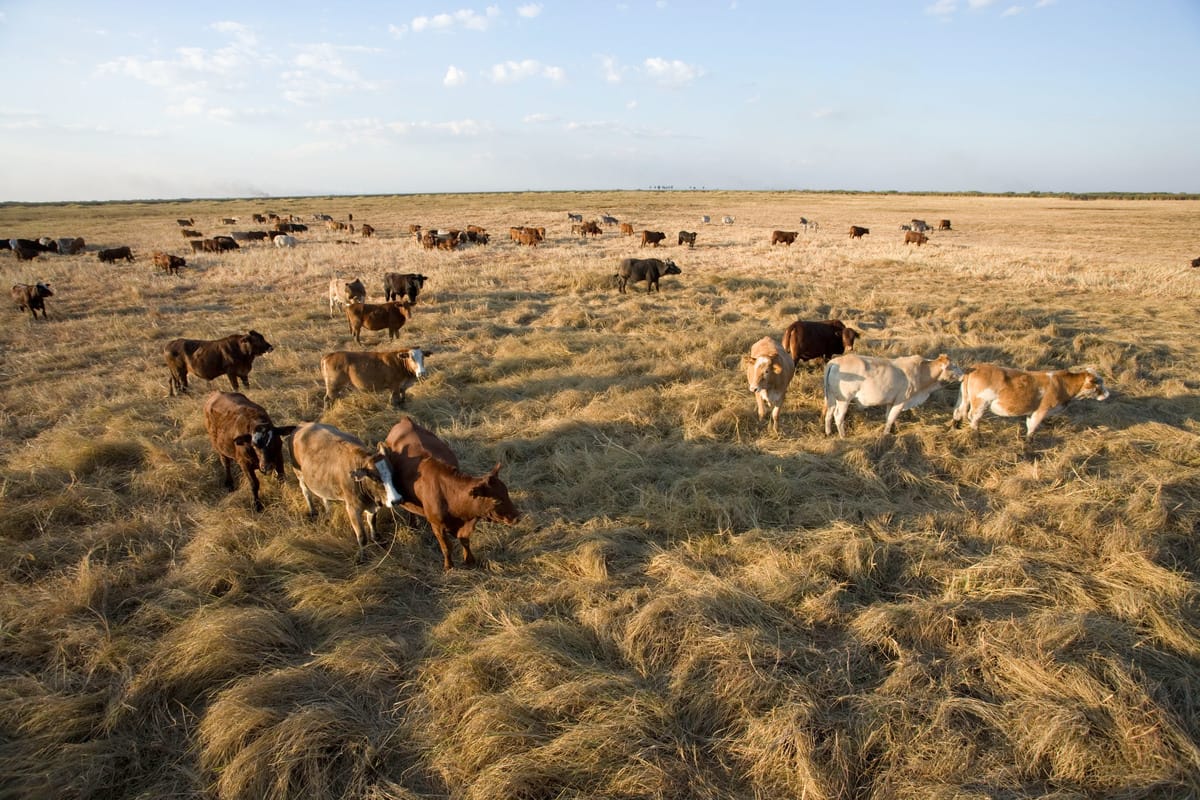
- Diversify animal populations to boost production of biofertilizers and recycling options (fish, chicken, sheep, goats or cattle). Manage animals with a variety of feeds and forages, depending on soil carbon characteristics and needs.
- Enhance nutrient cycling, natural pest management, water conservation, mulching, the use of (green) manures, crop rotation, cover and companion cropping, crop diversification, nutrient balancing, recovery and reuse, and the inclusion of landscape elements such as hedgerows and flower strips.
- Minimize soil disturbance and tillage.
- Intensify and maximize production up to the pasture’s carrying capacity, to optimize land-use and spare land for conservation.
- Introduce circularity in farm management systems to improve resource efficiency, reduce waste, and enhance farm income
- Reduce use of fossil fuel-based equipment. See Shifting to clean energy at the farm level.
- At the landscape level:
- Integrate production and conservation in managing landscape components of production landscapes– from hedges, woodland patches and clearings in forests, to waterways, ponds or other biodiversity-friendly features of the production environment – that can provide habitat for specific species and improve connectivity. In regions like the Global South, mandatory native vegetation reserves on private land offer an important opportunity; when effectively managed and connected, these reserves can significantly improve landscape connectivity, ecological function, and biodiversity conservation outcomes. Special attention should be given to watersheds and water reservoirs/towers where rainwater is collected. Suitability of measures varies across landscape types as well as local and farm-level needs.
- Facilitate breeding of locally adapted plants and animals, community seed exchanges and food fairs to increase the diversity of varieties, breeds and traditional foods in the landscape.
- Encourage the use of Indigenous crops, breeds and varieties that are adapted to local climatic conditions and develop markets for such crops, breeds and varieties by removing obstacles to their commercialization. Using traditional varieties and supporting agrobiodiversity can serve as a living germplasm bank, continuing the process of adaptation and thereby increasing resilience to future challenges including climate change.
- Encourage use of organic fertilizer already available in the landscape, for instance, by sourcing cattle manure from neighbours to foster landscape resilience to reduce the dependency of food production on external inputs.
- Develop opportunities for direct sales and new alternative food networks through farmers’ markets, community-supported agriculture, inclusive producer organizations, as well as inclusive value chain approaches, and other direct marketing arrangements to strengthen food resilience and biodiversity at the landscape level. This could involve boosting responsible investment in infrastructure, services, logistics, and technologies, with a particular focus on benefiting populations where multidimensional poverty is widespread. See Improving equitable access to healthy and sustainable foods.
- Recognize the interconnectedness of terrestrial and aquatic ecosystems and ensure that agricultural interventions do not lead to the degradation of aquatic ecosystems (e.g. through disturbance to hydrological regimes), near or far. It is important that flow-related outcomes arising from land cover and land management changes (e.g. impacts on groundwater recharge, baseflows and flood flows) are considered.
![Drone photograph of trees and buffer zones where agricultural fields meet the [TK] river](https://foodforwardndcsnbsaps.panda.org/content/uploads/2026/02/implementing-nature-positive-food-production-practices-20260202-1.jpg.webp)
A successful transition to nature-positive food production practices at the farm and landscape level requires enabling regulatory and financial conditions, including:
- Appropriate seed regulatory framework, as well as regulatory frameworks for other agricultural inputs. Peasant seed systems should be recognized as important element of biodiversity-friendly and resilient food production and farmers’ rights, e.g. the right to seeds, need to be safeguarded.
- Public and private efforts for creating consumer markets for nature-positive food (e.g. educational, and awareness-raising activities targeting consumers, easily recognizable product labels and appropriate product branding). See Increasing demand for healthy and sustainable diets, Introducing food systems-based dietary guidelines and Integrating healthy and sustainable diets in public procurement.
- Subsidy reform by prioritizing and redirecting public finance flows to support nature-positive agricultural production.
- Awareness raising and education about nature-positive food production practices.
- Clear and secure tenure and resource rights, especially for smallholders, women, Indigenous Peoples and Local Communities.
- Improved and equitable access to resources, markets for inputs, outputs, and financial services or government support for smallholders, women, Indigenous Peoples, Local Communities, youth and other disenfranchised groups.
- Clear environment and animal welfare standards.
- Health, labour protection, and worker safety standards, policies, and programs for protecting food workers.
- Responsible investment in skills development, mentorship, business education and incubation, and vocational programs, particularly for groups facing inequalities including Indigenous Peoples, local communities, women, and youth.
- Support for (enhanced) local and community action.
- Collaborative and inclusive management, planning and decision-making.
- Responsible investment and improvements in logistics, services, technologies, supply chains, and physical infrastructure (e.g. roads; irrigation infrastructure; facilities for bulking, processing, and storage; and information and communications systems), especially in rural areas, to improve connectivity and facilitate market access for rural producers. Particular focus should be on benefitting populations where multidimensional poverty occurs, including incubating rural enterprises.

Some key tools and guides to support the successful implementation of agroecology principles for nature-positive food production practices include the following tools:
Tools
Alliance Biodiversity International and CIAT Agrobiodiversity Index
A collection of data on biodiversity across nutrition, agriculture, and genetic resources domains. Besides measuring agrobiodiversity’s status, the Index identifies actions, opportunities, and risks for the increased use and conservation of agrobiodiversity.
Biovision The Farm Level Agroecology Criteria Tool (F-ACT)
A digital decision-making tool that enables farmers to identify ways for making their farms more efficient, resilient, equitable and ultimately agroecological and nature-positive.
Climate Risk Planning & Managing Tool for Development Programmes in Agri-Food Systems (CRISP)
An interactive tool supporting the mainstreaming of climate adaptation options in agricultural farming systems.
FAO Framework for Action on Biodiversity for Food and Agriculture
A framework for action covering 50 actions relating to the protection and management of biodiversity in agriculture. Actions are organized by characterization, assessment and monitoring; management; and institutional frameworks.
FAO Tool for Agroecology Performance Evaluation (TAPE)
This tool from FAO supports agroecological transition processes at different scales and in different locations by proposing a diagnostic of performances over time, identifying areas of strengths/weakness and enabling/disabling factors.
University of Reading CCAFS Participatory Integrated Climate Services for Agriculture (PICSA)
A participatory agricultural advisory and climate services approach that empowers smallholder farmers to make better decisions in response to individual agricultural challenges, developed as part of the CGIAR Research Program on Climate Change, Agriculture and Food Security (CCAFS.
Wageningen University & Research (WUR) Whole Farm model FarmDESIGN
A bio-economic whole-farm model developed at WUR to analyse trade-offs and synergies among environmental, economic, and social objectives in farming systems. It integrates modules related to budget, labour, and nutrition, enabling comprehensive performance assessments of farm households and ex-ante evaluation of agricultural technologies and policies.
Guides
CBD Voluntary Guidance for a Sustainable Wild Meat Sector
Decision adopted by the conference of the parties to the CBD relating to the management and use of wild species meat.
FAO Action Plan on Mainstreaming Biodiversity across Agricultural Sectors
Based upon the Framework for Action on Biodiversity for Food and Agriculture, the Action Plan is based upon the principles of effective governance, a knowledge-based approach, partnerships, inclusiveness, gender equality and empowerment of women.
FAO Code of Conduct for Responsible Fisheries (CCRF)
This Code sets out principles and international standards of behaviour for responsible practices with a view to ensuring the effective conservation, management and development of living aquatic resources, with due respect for the ecosystem and biodiversity.
FAO Guide on the 10 elements of agroecology
FAO guidance document covering the 10 essential elements of agroecology, intended to help guide range of actors in the transition to sustainable food and agricultural systems.
FAO Module on climate-smart crop production
An open-source, online Climate Smart Agriculture Sourcebook that contains a module on climate-smart crop production.
FAO Voluntary Guidelines for Securing Sustainable Small-Scale Fisheries
The first international instrument dedicated exclusively to actors in the small-scale fisheries sector, aimed at guiding dialogue, policy processes, and action at all levels, from local communities to global fora.
UNCCD Action Guide on Boosting Nature-Positive Food Production
A guide from The UN Convention to Combat Desertification on regenerative and agroecological approaches to food production.
UNEP-WCMC National Ecosystem Assessments to Support Implementation of the Convention on Biological Diversity
Guidance on how national ecosystem assessments can be used to support implementation of the Convention on Biological Diversity.
Implementing nature-positive food production practices can also help advance the targets of the UAE Framework for Global Climate Resilience, the Kunming-Montreal Global Biodiversity Framework (KM-GBF), as well as those of the Sustainable Development Goals (SDGs).
Climate change mitigation benefits
The implementation of nature-positive food production can play a key role in mitigating climate change in the following ways:
- Soil carbon sequestration: achieved through the implementation of agroecology, agroforestry, crop diversification, climate-smart agriculture, conservation agriculture, integrated crop-livestock systems, improved crop management and/or organic farming.
- Other reduced GHG emissions from farming: achieved through the implementation of crop diversification, climate-smart agriculture, conservation agriculture (great mitigation potential in dry areas), crop-pasture rotation systems, integrated crop-livestock systems, improved crop management, intercropping systems and precision farming.
- Urban and peri-urban farming activities reduce the food carbon footprint by avoiding emissions from long-distance food transports, as well as significantly reduce emissions by composting organic waste produced in cities.
- Improving the efficiency of farm machinery in terms of productivity and operating time, and reducing fossil fuel usage, can also reduce GHG emissions.
- Measures aimed at reducing dependence on synthetic fertilizer application and measures for improved or integrated crop nutrient management including nutrient use efficiency (e.g., optimized fertilizer application, use of slow or controlled-released fertilizers, intercropping, reduced tillage, use of cover crops and biofertilizer application) significantly reduce N2O emissions. Biofertilizers and ecological fertilization can also achieve great reductions in CH4 emissions.
Climate change adaptation benefits
Among the seven key areas of adaptation put forward in the UAE Framework for Global Climate Resilience, implementing nature-positive food production practices can directly contribute to:
- Target 9a (Water & Sanitation): Nature-positive approaches improve water retention in soils, reduce agricultural runoff, and minimize pollution of water bodies. Techniques like cover cropping, agroforestry, and optimized irrigation enhance water use efficiency and safeguard water quality, as well as occasionally regenerating springs. This ensures reliable access to clean water for both agriculture and local populations, even under climate stress.
- Target 9b (Food & Agriculture): Nature-positive food production emphasizes regenerative, non-depleting, and non-destructive agricultural practices. The result is more resilient food systems that can adapt to climate shocks, maintain productivity, and provide healthy, sufficient nutrition for growing populations.
- Target 9c (Health): Nature-positive food systems contribute to healthier diets by increasing the availability and diversity of nutritious foods. Reduced use of harmful agrochemicals lowers health risks for farmers and consumers. Improved ecosystem health further reduces the incidence of waterborne and vector-borne diseases, while resilient local food systems enhance food security and public health outcomes.
- Target 9d (Ecosystems): These practices prioritize the protection, restoration, and sustainable management of ecosystems. By enhancing ecological processes such as pollination, nutrient cycling, and carbon sequestration, nature-positive food production increases biodiversity and strengthens ecosystem functions. This helps maintain the stability and habitability of landscapes, supporting both wildlife and human communities.
- Target 9e (Livelihoods): By fostering regenerative practices and local stewardship, nature-positive food production supports resilient livelihoods, especially for smallholder farmers and rural communities. It encourages diversification of farm income, reduces input costs, and builds capacity for innovation and adaptation.
- Target 9g (Cultural Heritage): Nature-positive food production recognizes and builds upon traditional knowledge, indigenous practices, and local food cultures. These systems preserve unique landscapes, maintain agricultural biodiversity, and sustain cultural identity through the conservation of ancestral techniques and food traditions.
Biodiversity benefits
Action under this policy option can help contribute to deliver on achieve multiple KM-GBF targets, in particular:
- Target 1 (Plan and Manage all Areas To Reduce Biodiversity Loss): Shifting to nature-positive agricultural practices such as agroforestry and crop rotation is essential for conserving biodiversity in agricultural landscapes. Measures like agroecological zoning can facilitate land management for nature-positive food production to preserve biodiversity-rich areas and reduce biodiversity loss, by identifying degraded or other areas suitable for conservation, agricultural use, and/or restoration, thus contributing to progress on this target.
- Target 2 (Restore 30% of all Degraded Ecosystems): Nature-positive agricultural practices are a vital approach for integrating ecosystem restoration within productive landscapes. By prioritizing biodiversity conservation, soil health, and sustainable resource use, these practices create synergies between agricultural production and ecological resilience. This dual benefit strengthens the social and economic case for restoration, encouraging broader adoption among farmers, policymakers, and investors. Ultimately, nature-positive agriculture serves as a pathway to restore degraded ecosystems, including soils, increase landscape connectivity, and promote long-term sustainability in food systems.
- Target 3 (Conserve 30% of Land, Waters and Seas): Integrating a conservation perspective into the management of agricultural landscapes can ensure that food systems are designed with sustainability and resilience in mind, and that agricultural land is not expanded into high-value ecosystems.
- Target 4 (Halt Species Extinction, Protect Genetic Diversity, and Manage Human-Wildlife Conflicts): Encouraging the use of Indigenous crops, as well as the broader land-use and management practices of Indigenous systems, can help safeguard genetic diversity, support ecosystem health, and enhance the provision of ecosystem services. These crops and practices are often well-adapted to local climatic conditions, making them particularly valuable for building resilience and sustainability. Nature positive systems support the conservation of genetic diversity of domesticated species, including through in situ/ex situ integrated approaches. This diversity, found on farm and ex situ, is an important backbone of nature positive systems.
- Target 5 (Ensure Sustainable, Safe and Legal Harvesting and Trade of Wild Species): Raising awareness and promoting education on nature-positive food production practices, including, for example, the significance of intraspecific diversity for reducing climate risks, is essential for creating effective regulation around the use and management of wild species. The creation of alternative food networks for the sustainable use and legal trade of wild species can also strengthen food resilience and the protection of biodiversity at the landscape level.
- Target 7 (Reduce Pollution to Levels That Are Not Harmful to Biodiversity): Reducing the use of fossil-fuel based equipment as well as harmful, conventional inputs can significantly reduce agriculture-driven pollution. Subsidy reform and other financial incentives can also help to redirect public finance flows away from polluting food production practices and towards those aligned with environmental objectives.
- Target 10 (Enhance Biodiversity and Sustainability in Agriculture, Aquaculture, Fisheries, and Forestry): Farm-level approaches including agroforestry, crop rotation, tillage reduction, the use of organic fertiliser and the promotion of intraspecific diversity can directly enhance biodiversity and sustainability in land that is directly used for (or adjacent to) food production.
- Target 14 (Integrate Biodiversity in Decision-Making at Every Level): Promoting subsidy reform to redirect public finance away from harmful agricultural practices can help to embed sustainable food production into broader public finance dialogues, potentially enabling more coordinated cross-sectoral spending.
- Target 18 (Reduce Harmful Incentives by at Least $500 Billion per Year, and Scale Up Positive Incentives for Biodiversity): Promoting subsidy reform can remove perverse incentives supporting the implementation of harmful agricultural practices and redirect public finance towards activities that are aligned with environmental objectives.
- Target 22 (Ensure Participation in Decision-Making and Access to Justice and Information Related to Biodiversity for all): Securing tenure and resource rights for smallholders, women, Indigenous Peoples and local communities can enable them to use, develop and control the land and resources in the way they choose and, at landscape level, ensure that their needs and priorities are integrated into higher-level land management decisions.
- Target 23 (Ensure Gender Equality and a Gender-Responsive Approach for Biodiversity Action): A number of measures under this policy option help to advance gender equality: securing tenure rights for women; increasing their access to resources, markets, financial services and government support; and investment into skill-development, business education and similar efforts. Together, these measures can help to tackle systemic barriers faced by women in agriculture-related professions.
Other sustainable development benefits
Nature-positive food production can support the delivery of multiple SDGs by:
- SDG 1 (No Poverty): increasing household-level incomes by increased agricultural productivity.
- SDG 2 (Zero Hunger): improving food security and equitable access to healthy, nutritious, and diversified foods.
- SDG 5 (Gender Equality): empowering women to participate in food production decision-making, when implemented with a gender-responsive and rights-based approach.
- SDG 6 (Clean Water and Sanitation): reducing water consumption and contamination, providing watershed protection, and improving water quality.
- SDG 10 (Reduced Inequalities): empowering marginalized food producers with decent jobs and stable livelihoods, safe working conditions, secure tenure, and equitable access to resources and benefits.
- SDG 11 (Sustainable Cities and Communities): improving urban food security and urban biodiversity.
- SDG 12 (Responsible Consumption and Production): reducing waste and loss of production inputs.
- SDG 15 (Life on Land): reducing pollution from fertilizers and pesticides, improving biodiversity conservation and ecosystem protection.
The successful implementation of nature-positive food production practices depends on well-designed and effectively implemented interventions. However, these efforts often face technical and non-technical challenges, alongside potential negative externalities and trade-offs that can undermine their outcomes, including the following:
- Implementing sustainable crop production practices may require secure land tenure, equitable access to resources and agricultural advisory services, sufficient public and private financial incentives, knowledge, practical experience, sufficient labour resources and/or high upfront investments.
- Improved crop nutrient management: accessibility of adequate inputs or practices is highly variable depending on region.
- Intercropping requires the appropriate selection of species/varieties to avoid competition for resources (e.g. water and nutrients).
- Adopting a specific practice may yield certain benefits, but if it reinforces a broader system that generates multiple negative externalities, the overall impact on nature may still be harmful, mitigating only a single issue while leaving others unaddressed. The real challenge lies in implementing a cohesive set of practices that drive systemic change and deliver net positive outcomes for both nature and people.
- Data intensive to measure progress towards the desired outcomes.
- Agroecology and climate-smart agriculture: barriers to adoption and use of modern and innovative (bio-)technology.
- Agroforestry: risk of invasive species, allelopathy (i.e. release of a chemical substance by one plant that restricts the germination or growth of another plant), competition for resources, competition between trees and crops or increases in plant diseases. See Implementing agroforestry practices.
- Crop diversification: increased workload (associated with higher costs and potential difficulties in accessing markets).

Manuel Vidal, captain of the artisanal fishing vessel ‘Cobra’, receives a net full of luga, a leathery seaweed, that a diver collected from the seabed off the coast of Guafo Island.
Integrating the following measures into a comprehensive and cohesive framework for can help address implementation challenges and minimize potential trade-offs:
- Support for accessing and using inputs, supplies, technologies or management practices that are necessary for nature-positive production, with particular emphasis on supporting low income and marginalized communities.
- Conduct holistic assessments of synergies and trade-offs across environmental, ecological, economic, and social dimensions, testing alternative practice combinations against conventional systems.
- Capacity-building on nature-positive production for producers and agricultural extension officers.
- Mainstreaming of nature-positive production systems and techniques in agricultural education.
- Appropriate financial support mechanisms for producers, including dedicated credit lines, with particular emphasis on supporting low income and marginalized communities.
- Development platforms to capture the large data required to monitor and assess progresses in nature positive systems.
- Use of appropriate seeds based on traditional and scientific knowledge and local conditions.
- Development of strong and compelling transition pathways to minimize losses during the transition.
- Guidance on appropriate selection of crop and livestock species and varieties/breeds to avoid significant yield reductions.
- Financial mechanisms to compensate for possible yield reductions and associated income reductions (e.g., subsidies, tax breaks, and payment for ecosystem services (PES)).
- Capacity building and training for producers to maximize knowledge and minimize risk of negative externalities.
- Develop technologies to reduce workload when nature positive systems are developed, e.g. small mechanization compatible with those systems, some form of digital agriculture adapted to more complex systems for soil and crop management etc.
- Improved and equitable access to markets for nature-positive products.
- See Sequestering carbon in soil and enhancing soil health in crop systems, Implementing integrated crop-livestock systems and Implementing agroforestry practices.
Effective tracking of efforts relies on strong monitoring tools, clear indicators, and structured frameworks that capture both implementation progress and related biodiversity and climate outcomes.
Indicators to monitor biodiversity outcomes
The Parties to the Convention on Biological Diversity agreed to a comprehensive set of headline, component, and complementary indicators for tracking progress toward the targets of the KM-GBF. Some of the following indicators could also be functional for monitoring the implementation of this policy option:
| KM-GBF Target | Headline or binary indicator | Optional disaggregation | Component indicator | Complementary indicator |
|---|---|---|---|---|
| Target 1 | A.1 Red List of Ecosystems A.2 Extent of natural ecosystems 1.1 Percentage of land and sea area covered by biodiversity-inclusive spatial plans 1.b Number of countries using participatory, integrated and biodiversity-inclusive spatial planning and/or effective management processes addressing land- and sea-use change to bring the loss of areas of high biodiversity importance close to zero by 2030 | |||
| Target 2 | 2.1 Area under restoration | By ecosystem functional group (Global Ecosystem Typology levels 2 and 3 or equivalent) By indigenous and traditional territories By protected areas or other effective area-based conservation measures By type of restoration activity | ||
| Target 3 | A.CT.6 Protected Connected Index 3.CT.1 Protected Area Connectedness Index | 3.CY.3 Protected Area Isolation Index 3.CY.4 Protected Areas Network metric 3.CY.5 Number of protected areas that have completed a site-level assessment of governance and equity | ||
| Target 5 | 5.CT.1 Red List Index (impacts of utilization) for utilized species B.CT.2 Living Planet Index for utilized species | |||
| Target 7 | 7.2 Pesticide environment concentration and/or aggregated total applied toxicity | For indicator 7.2: By pesticide type By use of pesticide products in each sector | 7.CT.1 Cropland nutrient budget | 7.CY.1 Trends in loss of reactive nitrogen to the environment. 7.CY.2 Trends in nitrogen deposition 7.CY.6 Pesticide use per area of cropland |
| Target 10 | 10.1 Proportion of agricultural area under productive and sustainable agriculture | For indicator 10.1: By household and non-household sector farms By crops and livestock | 10.CY.1 Agrobiodiversity Index 10.CY.2 Soil organic carbon stocks A.CY.19 Red List Index (wild relatives of domesticated animals) B.CY.2 Red List Index (pollinating species) 4.CT.4Proportion of local breeds classified as being at risk of extinction | |
| Target 14 | 14.b Number of countries integrating biodiversity and its multiple values into policies, regulations, planning, development processes, poverty eradication strategies and, as appropriate, national accounts, within and across all levels and across all sectors, and progressively aligning all relevant public and private activities and fiscal and financial flows with the goals and targets of the Framework | 14.CT.1 Integration of biodiversity into national accounting and reporting systems, defined as implementation of the System of Environmental-Economic Accounting | ||
| Target 18 | 18.1 Positive incentives in place to promote biodiversity conservation and sustainable use | For indicator 18.1: By type of incentive (taxes, fees and charges, subsidies, tradable permits, payment for ecosystem services programmes and offset schemes) | 18.CT.2 Monetary value of payments for ecosystem services | |
| Target 22 | 22.1 Land-use change and land tenure in the traditional territories of indigenous peoples and local communities 22.b Number of countries taking action towards the full, equitable, inclusive, effective and gender‑responsive representation and participation in decision-making, and access to justice and information related to biodiversity by indigenous peoples and local communities, respecting their cultures and their rights over lands, territories, resources and traditional knowledge, as well as by women and girls, children and youth, and persons with disabilities, and the full protection of environmental human rights defenders | 21.CT.2 Participation of indigenous peoples and local communities in decision-making related to the implementation of the Convention at all levels 22.CT.1 Proportion of total adult population with secure tenure rights to land, (a) with legally recognized documentation, and (b) who perceive their rights to land as secure, by sex and type of tenure | 22.CY.4 Proportion of countries where the legal framework (including customary law) guarantees women’s equal rights to land ownership and/or control 22.CY.5 Proportion of population who believe decision-making is inclusive and responsive, by sex, age, disability and population group 22.CY.6 Area covered by the reported territories and areas governed, managed and conserved by custodian indigenous peoples and local communities (ICCAs—territories of life) | |
| Target 23 | 23.b Number of countries with legal, administrative or policy frameworks, inter alia, to implement the Gender Plan of Action (2023–2030), to ensure that all women and girls have equal opportunity and capacity to contribute to the three objectives of the Convention, including by ensuring women’s equal rights and access to land and natural resources | 22.CT.1 Proportion of total adult population with secure tenure rights to land, (a) with legally recognized documentation, and (b) who perceive their rights to land as secure, by sex and type of tenure | 22.CY.5 Proportion of population who believe decision-making is inclusive and responsive, by sex, age, disability and population group 22.CY.4 Proportion of countries where the legal framework (including customary law) guarantees women’s equal rights to land ownership and/or control |
Tools to monitor biodiversity outcomes
UNCTAD Trade and Biodiversity (TraBio) statistical tool and TraBio product classification
A tool which facilitates the gathering, analysis, monitoring and reporting of information related to trade in biodiversity-based goods.
IBAT Integrated Biodiversity Assessment Tool
IBAT is a biodiversity data provider which offers access to global biodiversity datasets and derived data layers including the IUCN Red List of Threatened Species, the World Database on Protected Areas (WDPA) and the World Database of Key Biodiversity Areas (WDKBA).
Tools to monitor climate outcomes
FAO SHARP+ (Self-evaluation and Holistic Assessment of climate Resilience of farmers and Pastoralists)
Used to build evidence for informed policy- and decision-making, the tool assesses household climate resilience based on the knowledge and priorities of persons involved in crop, livestock and forest production using an integrated approach.
Estimated costs associated with the implementation of agroecology principles for nature-positive food production practices includes:
- According to the IPCC, the median upfront investment costs of sustainable land management practices, including sustainable crop production, amount to USD 500 per hectare.
Some key examples of the successful implementation of nature-positive food production practices in the global context include:
- Soybean production in Brazil includes examples of biofertilizer use in crop production. Biofertilizer is used on 80% of the land planted with soybeans in Brazil, allowing microorganisms to replace chemical fertilization in the provision of nitrogen to crops. (However, the nutrients phosphorus and potassium are still supplied by chemical fertilizers). Benefits of biofertilizer include increased soybean yields, protection of rivers and freshwater from contamination, reduced GHG emissions (approx. 430 MtCO2e compared to chemical nitrogen fertilizers) and annual cost reductions of around USD 10 billion, due to reduced imports of synthetic fertilizer. The widespread use of biofertilizers in soybean production has become possible through collaboration between academia, regulators, industry, extension services and farmer organizations. Scientists provided the necessary technology, regulators created the necessary regulatory framework, and the industry took over implementation and commercialization. The use of biofertilizers in soybean production could be used as a model for other crops.
- The Government of India has promoted climate-smart agriculture since 2011 through the initiative “National Innovations in Climate Resilient Agriculture”. As part of the initiative, the government tries to increase the number of climate-resilient villages. This includes providing training for villagers on in-situ moisture conservation, biomass mulching, residue recycling, water harvesting and recycling for supplementary or life-saving irrigation, conservation tillage, location-specific intercropping and agroforestry, among other things.
- To promote the diversification of crop production, Catholic Relief Services organizes Diversity for Nutrition and Enhanced Resilience agriculture fairs (DiNERs fairs). The fairs provide farmers with diverse choices of seeds and other planting materials for nutrient-rich foods (e.g. fruit tree species, indigenous legumes, vegetables and cereal crops) through small samples and vouchers that give decision-making power to farmers.
- Abagandura, G. O., Şentürklü, S., Singh, N., Kumar, S., Landblom, D. G., & Ringwall, K. (2019). Impacts of crop rotational diversity and grazing under integrated crop-livestock system on soil surface greenhouse gas fluxes. PLoS ONE, 14(5). Retrieved February 6, 2024, from https://www.ncbi.nlm.nih.gov/pmc/articles/PMC6530893/
- Agricultural Diversification: Benefits and Barriers for Sustainable Soil Management. (n.d.). Retrieved February 6, 2024, from https://www.frontiersin.org/research-topics/21052/agricultural-diversification-benefits-and-barriers-for-sustainable-soil-management
- Alternative Food Networks for Sustainable, Just, Resilient and Productive Food Systems. (n.d.). Retrieved February 27, 2026, from https://www.frontiersin.org/research-topics/36653/alternative-food-networks-for-sustainable-just-resilient-and-productive-food-systems/magazine
- Al-Kodmany, K. (2018). The Vertical Farm: A Review of Developments and Implications for the Vertical City. Buildings, 8(2), 24.
- Bellmann, C. (2019) Subsidies and Sustainable Agriculture: Mapping the Policy Landscape. Chatham House. Available at https://www.chathamhouse.org/sites/default/files/Subsidies%20and%20Sustainable%20Ag%20-%20Mapping%20the%20Policy%20Landscape%20FINAL-compressed.pdf.
- Bellmann, C. (2019) Subsidies and Sustainable Agriculture: Mapping the Policy Landscape.
- Bogaerts, M., Cirhigiri, L., Robinson, I., Rodkin, M., Hajjar, R., Costa Junior, C., et al. (2017). Climate change mitigation through intensified pasture management: Estimating greenhouse gas emissions on cattle farms in the Brazilian Amazon. Journal of Cleaner Production, 162, 1539–1550.
- Carvalho, J. L. N., Raucci, G. S., Frazão, L. A., Cerri, C. E. P., Bernoux, M., & Cerri, C. C. (2014). Crop-pasture rotation: A strategy to reduce soil greenhouse gas emissions in the Brazilian Cerrado. Agriculture, Ecosystems & Environment, 183, 167–175.
- Climate Smart Agriculture Sourcebook. (n.d.). Retrieved February 6, 2024, from https://www.fao.org/climate-smart-agriculture-sourcebook/production-resources/module-b1-crops/b1-overview/en/
- Chabert, S., Eeraerts, M., DeVetter, L. W., Borghi, M., & Mallinger, R. E. (2024). Intraspecific crop diversity for enhanced crop pollination success. A review. Agronomy for Sustainable Development, 44(5), 50.
- Course 5: Reduce Greenhouse Gas Emissions from Agricultural Production (Synthesis). (n.d.). Retrieved February 6, 2024, from https://research.wri.org/wrr-food/course/reduce-greenhouse-gas-emissions-agricultural-production-synthesis#note-89
- Devkota, K. P., Pasuquin, E., Elmido-Mabilangan, A., Dikitanan, R., Singleton, G. R., Stuart, A. M., et al. (2019). Economic and environmental indicators of sustainable rice cultivation: A comparison across intensive irrigated rice cropping systems in six Asian countries. Ecological Indicators, 105, 199–214.
- FAO. (2021). Climate change mitigation options in agrifood systems: Summary of the Working Group III contribution to the Intergovernmental Panel on Climate Change Sixth Assessment Report (AR6). Retrieved from https://www.fao.org/documents/card/en/c/cc4943en.
- FAPESP. (.28). Brazilian soybean growers’ use of biofertilizer is highlighted by a leading science journal. AGÊNCIA FAPESP. Retrieved February 6, 2024, from https://agencia.fapesp.br/brazilian-soybean-growers-use-of-biofertilizer-is-highlighted-by-a-leading-science-journal/39681
- Finger, R., Swinton, S., El Benni, N., & Walter, A. (2019). Precision Farming at the Nexus of Agricultural Production and the Environment. Annual Review of Resource Economics, 11.
- Hadjikakou, M., Bowles, N., Geyik, O., Conijn, S., Mogollon, J., Bodirsky, B. L., et al. (2023). Mitigating risk of exceeding environmental limits requires ambitious food system interventions. Retrieved February 6, 2024, from https://eartharxiv.org/repository/view/5231/.
- HLPE (2023). Reducing inequalities for food security and nutrition. Rome, CFS HLPE-FSN. Available from https://www.fao.org/cfs/cfs-hlpe/insights/news-insights/news-detail/reducing-inequalities-for-food-security-and-nutrition/en.
- Intergovernmental Panel on Climate Change (IPCC). (2019). Climate Change and Land An IPCC Special Report on climate change, desertification, land degradation, sustainable land management, food security, and greenhouse gas fluxes in terrestrial ecosystems. Retrieved from https://www.ipcc.ch/site/assets/uploads/2019/11/SRCCL-Full-Report-Compiled-191128.pdf
- Kantachote, D., Nunkaew, T., Kantha, T., & Chaiprapat, S. (2016). Biofertilizers from Rhodopseudomonas palustris strains to enhance rice yields and reduce methane emissions. Applied Soil Ecology, 100, 154–161.
- Lal, R., Monger, C., Nave, L., & Smith, P. (2021). The role of soil in regulation of climate. Philosophical Transactions of the Royal Society B: Biological Sciences, 376(1834), 20210084.
- Lin, B. B. (2011). Resilience in Agriculture through Crop Diversification: Adaptive Management for Environmental Change. BioScience, 61(3), 183–193.
- Malyan, S. K., Bhatia, A., Kumar, S. S., Fagodiya, R. K., Pugazhendhi, A., & Duc, P. A. (2019). Mitigation of greenhouse gas intensity by supplementing with Azolla and moderating the dose of nitrogen fertilizer. Biocatalysis and Agricultural Biotechnology, 20, 101266.
- Medici, M., Marcus Pedersen, S., Carli, G., & Tagliaventi, M. R. (2020). Environmental Benefits of Precision Agriculture Adoption. Economia Agro-Alimentare, (3), 637–656.
- Mgwenya, L. I., Agholor, I. A., Ludidi, N., Morepje, M. T., Sithole, M. Z., Msweli, N. S., & Thabane, V. N. (2025). Unpacking the Multifaceted Benefits of Indigenous Crops for Food Security: A Review of Nutritional, Economic and Environmental Impacts in Southern Africa. World, 6(1). Retrieved February 20, 2026, from https://www.mdpi.com/2673-4060/6/1/16
- Mitsui & Co. Global Strategic Studies Institute. (2023). Creating a Consumer Market for Nature-Positive Foods — Comprehensive Food Design is Essential. Retrieved from https://www.mitsui.com/mgssi/en/report/detail/__icsFiles/afieldfile/2023/09/05/2307i_sakai_e.pdf
- Olmo, R., Wetzels, S. U., Armanhi, J. S. L., Arruda, P., Berg, G., Cernava, T., et al. (2022). Microbiome Research as an Effective Driver of Success Stories in Agrifood Systems – A Selection of Case Studies. Frontiers in Microbiology, 13, 834622.
- Pereira, B. de J., Cecílio Filho, A. B., & La Scala, N. (2022). Greenhouse gas emissions and carbon footprint of collard greens, spinach and chicory production systems in Southeast of Brazil. Frontiers in Plant Science, 13, 1015307.
- Peterson, C. A., Bell, L. W., Carvalho, P. C. de F., & Gaudin, A. C. M. (2020). Resilience of an Integrated Crop–Livestock System to Climate Change: A Simulation Analysis of Cover Crop Grazing in Southern Brazil. Frontiers in Sustainable Food Systems, 4, 604099.
- Promoting the rights of farmers and their varieties under seed policies on the African continent | Capacity4dev. (n.d.). Retrieved February 27, 2026, from https://capacity4dev.europa.eu/library/promoting-rights-farmers-and-their-varieties-under-seed-policies-african-continent_en
- Țopa, D.-C., Căpșună, S., Calistru, A.-E., & Ailincăi, C. (2025). Sustainable Practices for Enhancing Soil Health and Crop Quality in Modern Agriculture: A Review. Agriculture, 15(9). Retrieved February 27, 2026, from https://www.mdpi.com/2077-0472/15/9/998
- Schreinemachers, P., Wu, M., Uddin, Md. N., Ahmad, S., & Hanson, P. (2016). Farmer training in off-season vegetables: Effects on income and pesticide use in Bangladesh. Food Policy, 61, 132–140.
- Springmann, M., & Freund, F. (2022). Options for reforming agricultural subsidies from health, climate, and economic perspectives. Nature Communications, 13(1), 82.
- Tartaglia, E. S., & Aronson, M. F. (2024). Plant native: comparing biodiversity benefits, ecosystem services provisioning, and plant performance of native and non-native plants in urban horticulture. Urban Ecosystems, 27(6), 2587-2611.
- Tschora, H., & Cherubini, F. (2020). Co-benefits and trade-offs of agroforestry for climate change mitigation and other sustainability goals in West Africa. Global Ecology and Conservation, 22, e00919.
- Udawatta, R. P., Rankoth, L. M., & Jose, S. (2019). Agroforestry and biodiversity. Sustainability, 11(10), 2879; Smith, M. E., Vico, G., Costa, A., Bowles, T., Gaudin, A. C., Hallin, S., … & Bommarco, R. (2023). Increasing crop rotational diversity can enhance cereal yields. Communications Earth & Environment, 4(1), 89; Wittwer, R. A., Bender, S. F., Hartman, K., Hydbom, S., Lima, R. A., Loaiza, V., & Van Der Heijden, M. G. (2021). Organic and conservation agriculture promote ecosystem multifunctionality. Science Advances, 7(34), eabg6995.
- UNCCD. (n.d.). Boosting Nature-Positive Food Production: A pathway for safeguarding human and planetary health. Retrieved from https://catalogue.unccd.int/419_UNCCD_series_AG1_Nature-Positve_final_for_web.pdf
- UNEP; International Resource Panel. (2022, February). Urban agriculture’s potential to advance multiple sustainability goals: Policy guidance from the International Resource Panel. https://wedocs.unep.org/handle/20.500.11822/38399
- Vernooy, R. (2022). Does crop diversification lead to climate-related resilience? Improving the theory through insights on practice. Agroecology and Sustainable Food Systems, 46(6), 877–901.
- Wageningen Centre for Development Innovation, Wageningen University & Research. (2021). Food-system interventions with climate change and nutrition co-benefits: A literature review. Retrieved from https://www.ifad.org/documents/38714170/43188972/wageningen_foodsystems.pdf/b163afbd-8e20-ea3d-a7ab-77328ddf6adb?t=1622789088577
- Wageningen University & Research. (2021, March). Whole farm model FarmDESIGN: A model to examine trade‑offs and synergies at smallholders in Vietnam. Retrieved October 22, 2025, from https://www.wur.nl/en/value-creation-cooperation/partnerships-collaborations/wdcc-2/data-portal/whole-farm-model-farmdesign.htm
- Wan, N.-F., Fu, L., Dainese, M., Kiær, L. P., Hu, Y.-Q., Xin, F., et al. (2025). Pesticides have negative effects on non-target organisms. Nature Communications, 16(1), 1360.
- Wittwer, R. A., Bender, S. F., Hartman, K., Hydbom, S., Lima, R. A., Loaiza, V., & Van Der Heijden, M. G. (2021). Organic and conservation agriculture promote ecosystem multifunctionality. Science Advances, 7(34), eabg6995.
- Yan, X., & Gong, W. (2010). The role of chemical and organic fertilizers on yield, yield variability and carbon sequestration— results of a 19-year experiment. Plant and Soil, 331(1–2), 471–480.