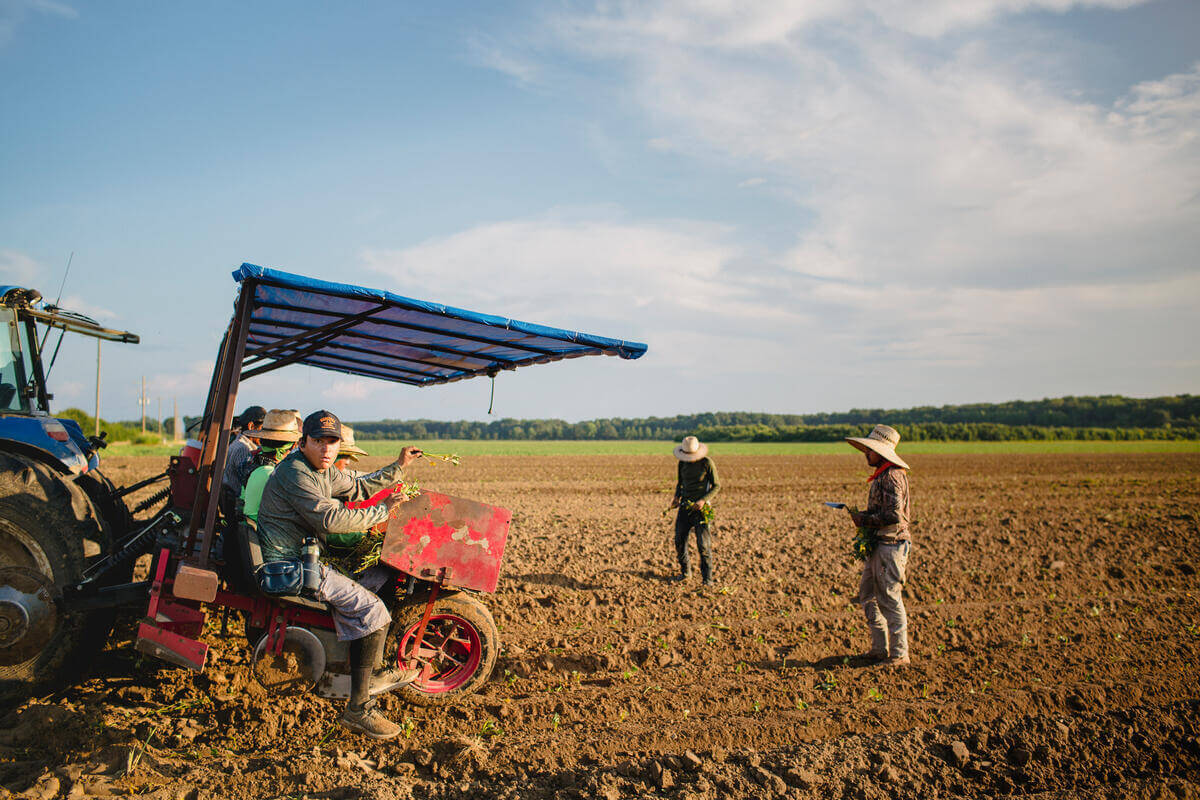
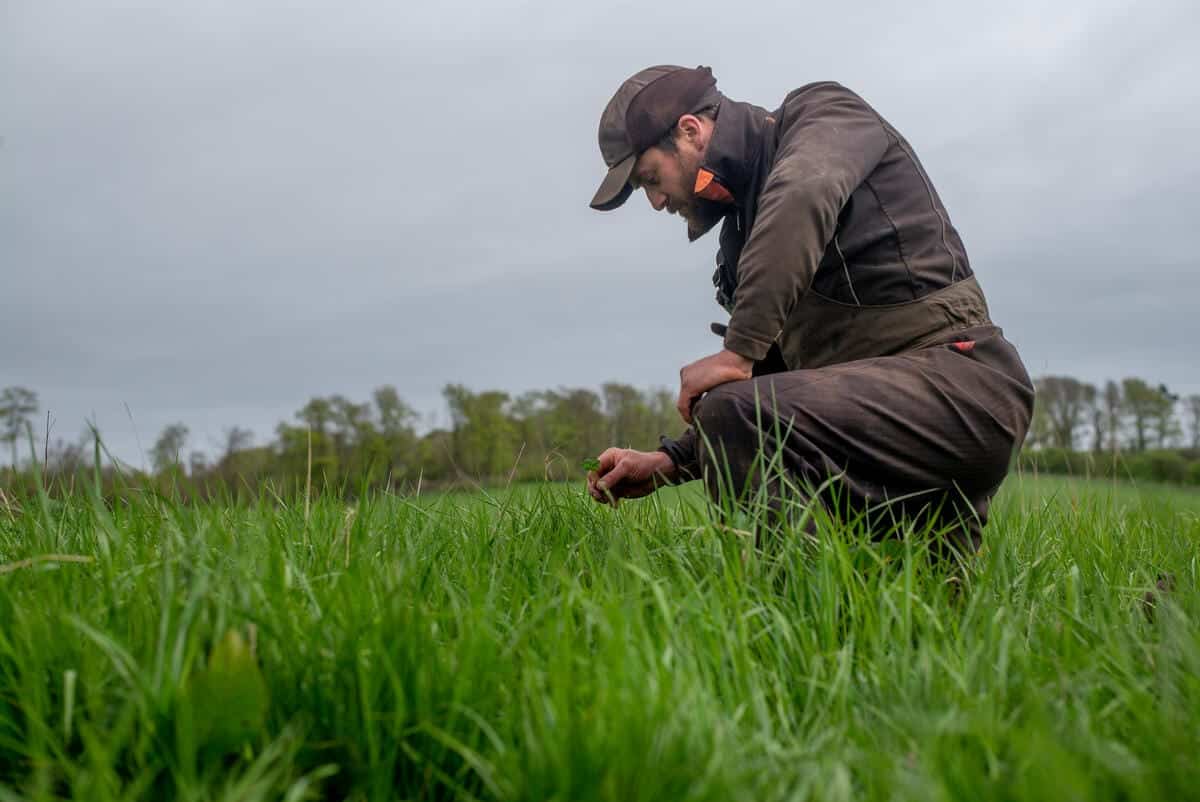
Indigenous food systems include practices, roles and innovations associated with the multiple and diverse indigenous ways of cultivating, preserving, harvesting, sharing, trading, and consuming or using food in order to ensure the food sovereignty of the communities practising such systems. Central to these systems are high levels of agrobiodiversity, traditional foods that are often native to a specific region, bonding with the lands, areas and territories governed by Indigenous Peoples (IPs), generations of ecological and agricultural knowledge associated with food practices, focus on food sovereignty rather than food security, reliance on a network of local markets, often informal, but important in sustaining the food systems and food sovereignty in specific areas/territories, and the critical role of women in all phases of indigenous food systems.
Indigenous food systems include land, air, water, soil, as well as plant, animal and fungi species that have sustained Indigenous peoples over millennia. An ‘Indigenous food’ indicates a cultivar that is critical to the food sovereignty and subsistence of the community, and has been primarily cultivated, taken care of, harvested, prepared, preserved, shared, or traded within the boundaries of respective territories. Further, this is based on respect, reciprocity, and care for ecosystems and biodiversity conservation, where all parts of Indigenous food systems are regarded as inseparable and ideally function in healthy interdependent relationships. These foods often have not only subsistence and nutritional value for Indigenous Peoples but also hold strong cultural and spiritual significance and carry relational and emotional dimensions. These foods span a wide variety of species that are endemic or obtained through exchange of seeds with other groups and areas, and include fruits, vegetables, grains and legumes, as well as animal proteins and medicinal plants.
Indigenous food systems offer better resilience to climate change than industrial agricultural systems. The high agrobiodiversity of these systems not only ensures conservation of a wide array of cultivars and seeds that might otherwise go extinct, but also provides more resistance to pests, disease, drought and weather extremes. The cultivation methods applied – including crop diversification, rotational harvesting, seasonal restrictions and the application of organic inputs – help to maintain and enhance soil health, in turn yielding benefits for biodiversity and ecosystems as a whole. The EAT-Lancet Report 2025 also recognizes the role of indigenous diets, farming practices and knowledge systems in achieving healthy, sustainable, and just food systems.
Indigenous Peoples conserve over one-third of intact forests globally and are the frontlines of resistance to industrial agriculture in some of the richest but critically endangered ecosystems on the planet, often being subjected to forced displacement, land grabs and other human rights abuses in the process. However, the knowledge systems underpinning Indigenous agricultural systems continue to be rapidly eroded through urbanization and the growth of global food commodity markets.
Despite the critical need to protect IPs and the specific benefits Indigenous approaches offer for health, biodiversity and climate, Indigenous food systems have yet to be fully documented and adopted as part of a just and sustainable food systems transformation.
Indigenous food systems are, by nature, tailored to their environmental, cultural and social contexts and rely on the unique traditional knowledge of the communities that have developed and governed them. Measures to support Indigenous food systems or integrate Indigenous practices into modern food systems should, therefore, respect the integrity and holistic nature of these systems, and secure the rights and meaningful participation of Indigenous Peoples in policy- and decision-making related to food systems. These measures include:
- Inclusion of Indigenous Peoples in decision-making:
- Create participatory opportunities which integrate Indigenous voices and leadership into decision-making around land and resource-use, and environmental conservation. This can be done through forums and platforms such as inclusive multi-stakeholder committees and other decision-making bodies that bring together key stakeholders, including Indigenous Peoples as well as government, workers, farmers, youth, and women’s groups for jointly designing and implementing policies and strategies for food systems transformation.
- Ensure an inclusive conservation approach aligned with Indigenous Peoples’ food practices.
- Co-develop policies and practices to address biodiversity conservation and ecosystem-based management in a changing environment through co-production of food systems knowledge based on equity.
- Promote intercultural dialogue in the construction of public policies and normative frameworks that potentially affect any aspect of Indigenous Peoples’ food systems.
- Involve and empower IPs as leaders in devising strategies for developing and sustaining their food systems.
- Secure land, resource and labour rights:
- Recognize Indigenous land-use zoning while ensuring legal land tenure, and designate suitable areas, including gathering, hunting and fishing areas, as conserved areas governed by communities. These can facilitate unrestricted resource gathering and protection from adverse environmental impacts such as from land conversion and industrial contamination.
- Expand coverage of social protection systems to cover Indigenous communities, including securing living income wages for small-scale agricultural producers.
- Improve and expand the scope of labour market governance in food systems, including through mainstreaming the anti-discrimination and labour rights of migrant workers in agriculture, which would also benefit subsistence farmers, women and other socially and culturally racialised persons besides Indigenous Peoples.
- Develop community-led land restoration projects that can support traditional, small-scale food production.
- Local food markets and shorter value chains:
- Facilitate connections between Indigenous food systems, farmers’ markets and local markets, and create direct grower-to-consumer networks.
- Provide training on business planning and marketing – tailored to align with social, cultural and environmental norms.
- Create or improve physical access to markets through improved road, water or energy networks to facilitate food distribution.
- Food production models built on Indigenous principles:
- Promote Indigenous food systems as a model for accelerating the transition from large-scale, intensive agriculture to small-scale, agroecological modes of production. For example: accelerate land restoration through Indigenous approaches to livestock production, such as through the implementation of silvopastoral systems, and implement crop diversification, rotation and companion planting for improved plant resilience.
- Ensure that indigenous governance practices are empowered to continue to control, safeguard and support effective integration of indigenous food systems and traditional knowledge.
- Support Indigenous and community-led agricultural production and processing facilities through the provision of finance, infrastructure or storage facilities to IPs.
- Support community-led initiatives like community gardens, food forests and greenhouses built on Indigenous approaches in urban centres, food deserts or in schools, and community kitchens which can host workshops on traditional cooking and food preservation.
- Safeguarding opportunities for Indigenous women:
- Invest directly in women-led enterprises, to help secure women’s legal land tenure, protect and maintain Indigenous knowledge, and support the cultivation and trade of Indigenous and underutilized crops.
- Invest in education & skill-sharing opportunities for Indigenous women to provide them with equal opportunities to secure roles in policy- or decision-making.
- Document women’s traditional knowledge and roles in food systems, with Free, Prior and Informed Consent (FPIC).
- Preserve traditional foods:
- Together with Indigenous Peoples, support the establishment of Indigenous seed banks to preserve native crop and plant varieties, governed by IPs.
- Broaden the genetic base of conventional agriculture systems to increase uptake of local, underutilized crops.
- Promote the consumption of local, sustainable Indigenous foods by embedding them into national food-systems based dietary guidelines.
Enabling governance measures such as those below can strengthen Indigenous food systems by safeguarding and integrating Indigenous knowledge into policy and governance approaches:
- Recognize Indigenous governance systems to enable the effective administration of IP territories.
- Mandate Indigenous representation in all policy- and decision-making related to agriculture and food production, food security and environmental conservation.
- Ensure the effective implementation of FPIC in projects concerning IPs.
- Embed teaching on Indigenous food systems and traditions in school curricula.
- Integrate traditional and Indigenous agricultural knowledge into environmental impact assessments conducted in advance of agricultural projects.
- Commit to increasing the share of local and Indigenous food procurement at the national and local government levels.
- Creating biodiversity conservation parks can help to promote the use of local and Indigenous technologies and approaches for food production while increasing access to nutritious food.
- Develop a set of minimum environmental standards to govern global food trade which recognize and protect Indigenous Peoples as vital stewards of plant genetic diversity.
- Create local knowledge banks to preserve Indigenous and traditional wisdom relating to agriculture and land stewardship, so long as it aligns with traditional customs regarding knowledge-sharing.
- Support research within and by Indigenous communities to better support their engagement with external stakeholders, funders and policymakers and their right to self-determination.
- Create a global dialogue on the scale up of Indigenous food systems, providing opportunities for Indigenous Peoples to provide guidance on food cultivation, nutrition, access and security.
Tools to support the implementation and enhancement of Indigenous food systems include:
Tools
Indigenous Food Systems Network (IFSN)
The IFSN is an online hub where individuals and organisations working on Indigenous food-related research, action, and policy can share resources, guides and tools. Tools include guidance on how to design and implement Indigenous-led food sovereignty projects and climate change assessment toolkits designed for Indigenous communities.
IFAD Digital Toolbox for Indigenous Peoples’ Food Systems
IFAD’s “Digital Toolbox” is a freely available resource that provides guidelines for designing and implementing projects to improve the diets and nutrition of Indigenous Peoples by leveraging local food biodiversity. It offers concrete methods for project development: community consultations, participatory approaches, and integrating local food biodiversity.
Indigenous food systems are designed to support or enhance natural ecosystems. As a result, they offer a plethora of benefits for the climate, biodiversity and sustainable development more broadly.
Climate change mitigation benefits
Indigenous agricultural approaches enhance carbon sequestration by prioritizing nature-positive practices which also help to enhance soil integrity, biodiversity and water regulation, including among others:
- Agroforestry: This involves the spatial coordination of trees and bushes with cropland. It helps to control temperature and moderate crop exposure to sunlight, wind, hail and rain, while also helping to enhance nutrient and water cycling. These characteristics help to minimize soil degradation and enhance fertility, promoting carbon sequestration.
- Polyculture/intercropping: This involves planting different, mutually beneficial crops and helps to enhance crop resilience and resistance to pests, disease, and weather changes. This also supports nitrogen cycling and carbon sequestration in the soil.
- Soil health management: Indigenous and traditional approaches to agriculture treat soil as a living ecosystem and are designed to support soil fertility and nutrient cycling. Natural (organic) fertilisers such as animal manure and compost are typically applied in place of chemical ones. Organic alternatives, usually rich in nutrients such as nitrogen, phosphorus and potassium, can help to boost soil organic carbon content and crop root development.
- Water management techniques: Modern farming approaches utilize immense volumes of water, much of which is wasted. Many indigenous farming approaches apply water management systems which maximise the impact of water available in the local environment – such as terracing, drip irrigation or rainwater harvesting tanks. These methods enable agriculture to be implemented in areas otherwise unsuitable for agriculture (such as e.g., steep slopes) and help to reduce the volume of energy required for agricultural production, thus supporting climate mitigation efforts.
Climate change adaptation benefits
Among the seven thematic targets in the UAE Framework for Global Climate Resilience, Indigenous food systems can contribute directly to:
- Target 9a (Water): Many Indigenous cultures recognise water as a living entity and as a result, their food systems are designed to respect and enhance natural water cycles. Water is used equitably, sustainably and protected from contamination, in this way helping to support the availability of safe and accessible water for all.
- Targets 9b & 9c (Food & Agriculture and Health): By improving nutrition through the provision of more diverse and nutritious foods, Indigenous food systems can contribute to better health outcomes for people. By supporting the cultivation of more resilient and adaptive crops, they can also contribute positively to food security, especially in rural or climate vulnerable areas.
- Target 9d (Ecosystems): Indigenous food systems are designed to maintain and contribute to the health of ecosystems. They are centred around plants and species that are native to a given area, which are often selectively bred to improve resilience, thereby improving their adaptiveness to future climate changes. The diversity of crops cultivated in Indigenous food systems contribute positively to terrestrial biodiversity, contributing in various ways to the restoration, conservation and enhancement of life on land.
- Target 9f (Livelihoods ): Promoting Indigenous food systems can enhance rural incomes and support poverty reduction by connecting rural, small-scale producers to markets and buyers, as well as helping to reduce the input and labour costs of production. They can also provide increased opportunities for women in agriculture, as the traditional stewards of agricultural and medicinal knowledge in Indigenous communities.
- Target 9g (Cultural Heritage): Promoting the uptake of Indigenous food systems and embedding Indigenous knowledge into mainstream land cultivation processes can help to preserve rich, landscape-specific knowledge that may otherwise be lost with older Indigenous generations.
Biodiversity benefits
- Target 1 (Plan and Manage all Areas To Reduce Biodiversity Loss): Integrating Indigenous agricultural approaches into modern farming systems can help to ensure that biodiversity protection and conservation is considered in all stages of land planning and use. It can enable Indigenous communities to play a participatory role in land use and agricultural planning and help to ensure that areas of high biodiversity importance or ecological integrity – which may lie within Indigenous territories – remain protected.
- Target 2 (Restore 30% of all Degraded Ecosystems): Indigenous approaches to land management can help to restore the integrity of agricultural landscapes while supporting resilient food production. Specific methods such as polyculture, intercropping and organic soil management techniques can all help to restore nutrients and soil integrity, enhancing biodiversity and ecosystem services as a result.
- Target 3 (Conserve 30% of Land, Waters and Seas) and Target 14 (Integrate Biodiversity in Decision-Making at Every Level): Indigenous peoples conserve an estimated 22 percent of the world’s Key Biodiversity Areas. Indigenous communities possess rich ecological knowledge about plant growth, soil and water cycles, climactic seasons, animal behaviour among other things. This informs these communities’ approaches to land management, ensuring that subsistence activities contribute positively to local ecosystems. Integrating Indigenous approaches into agricultural land management approaches and strengthening Indigenous land and governance rights can therefore help ensure that biodiversity conservation and ecosystem protection are integrated at every stage of land-use planning, and conserve or sustainably manage areas of particular ecological significance.
- Target 5 (Ensure Sustainable, Safe and Legal Harvesting and Trade of Wild Species) and Target 9 (Manage Wild Species Sustainably To Benefit People): Indigenous and traditional diets in many places involve the use of other wild species for subsistence, spiritual, or cultural purposes. In contrast to animal species produced and consumed under modern agricultural systems, Indigenous food systems take a sustainable approach to harvesting wild species. In line with Indigenous principles, wild species are typically used sparingly and equitably, in a way that does not disrupt that source population, its habitat, or others in the ecosystem. While not directly applicable to the scale of current agricultural systems, these principles will be an essential component in transforming intensive animal agriculture to sustainable alternative models which ensure long-term ecosystem health.
- Target 7 (Reduce Pollution to Levels That Are Not Harmful to Biodiversity): Many Indigenous foods are more resilient to drought, pests and disease than those produced under modern systems. Selective breeding combined with crop diversification and low-impact cultivation techniques also helps to strengthen plant resilience. As a result, crops cultivated under these systems require fewer chemical inputs, which may minimize or eliminate the risk of pollution and nutrient runoff often observed in intensive agricultural production systems, and help to protect surrounding land and waterways.
- Target 8 (Minimize the Impacts of Climate Change on Biodiversity and Build Resilience): As explored above, maintaining and enhancing ecosystem health is a core objective of Indigenous land management, and most Indigenous farming methods are designed to improve the health and resilience of plants and the ecosystem they grow in.
- Target 10 (Enhance Biodiversity and Sustainability in Agriculture, Aquaculture, Fisheries, and Forestry): The concept of ‘biocentrism’ – the recognition of sacredness and spirituality in all living things – is fundamental to the way Indigenous communities interact with the land, including their approach to food production. Evidence shows that Indigenous land management approaches have helped to reduce forest loss, maintain and enhance carbon sequestration in forests, and created biophysical conditions that support higher levels of biodiversity. The territories and lands of Indigenous Peoples are critical areas for maintaining varieties of crops, breeds of animals, crop wild relatives and the other elements of food biodiversity that are essential for sustainable and resilient food systems.
- Target 11 (Restore, Maintain and Enhance Nature’s Contributions to People): Indigenous food systems contribute to the provision of ecosystem services in several ways, including by enhancing carbon sequestration, water retention and nutrient cycling. Indigenous food production systems can have positive effects on the physical, chemical, and microbiological properties of the soil, including by promoting the accumulation of more abundant and heterogeneous biomass – such as leaves, tree branches and fruit – with positive results for soil nutrients and biota.
- Target 13 (Increase the Sharing of Benefits From Genetic Resources, Digital Sequence Information and Traditional Knowledge): Many Indigenous crop cultivation approaches involve the collection and storage of seeds from mature, healthy crops to be used the following season. This practice enables farmers to maintain a supply of seeds that are adapted to their local climate and soil conditions and are the most resistant to pests and disease, in turn supporting food security and sovereignty. Integrating Indigenous approaches to food production into modern farming systems can help to highlight the rich knowledge of agriculture and genetic resources held by Indigenous communities, as well as facilitate the creation of benefit sharing instruments on genetic resources through legal or policy measures.
- Target 16 (Enable Sustainable Consumption Choices To Reduce Waste and Overconsumption): The creation of local, accessible food forests that are built on Indigenous agricultural principles can contribute to sustainable food consumption and improve peoples’ access to healthy, sustainably grown foods. Increasing small-scale agriculture can also facilitate direct producer-to-consumer relationships, which may in turn help to reduce excess food production and waste.
- Target 18 (Reduce Harmful Incentives by at Least $500 Billion per Year, and Scale Up Positive Incentives for Biodiversity): Attaching environmental conditions to direct producer-support instruments can help to mitigate the flow of finance to harmful food production activities and incentivize the adoption of regenerative practices – such as crop diversification, improved soil management or the application of organic inputs. At the same time, the creation of new financial mechanisms – such as accessible grants, loans and guarantees – for small-scale, environmentally sustainable agriculture can help to increase the finance available for Indigenous communities to scale their production and access markets, among other things.
- Target 21 (Ensure That Knowledge Is Available and Accessible To Guide Biodiversity Action): With their free, prior and informed consent, these communities’ knowledge on biodiversity, natural cycles, food production, harvest and storage can be leveraged to inform policy and land use planning, as well as to raise general public knowledge on sustainable food production systems. With the consent of knowledge holders, this information can be aggregated and stored to facilitate consistency of use over time and across sectors.
- Target 22 (Ensure Participation in Decision-Making and Access to Justice and Information Related to Biodiversity for all): Recognising the vital role of Indigenous and traditional communities in effective land stewardship, biodiversity protection and sustainable food production can facilitate their fair and equitable inclusion in land governance. Introducing Indigenous food production principles into agricultural policy and incentives can also help to provide Indigenous communities with a participatory and/or advisory role in activities relating to biodiversity conservation.
Other sustainable development benefits
Indigenous food systems can also contribute to the progress of the following SDGs, in particular:
- SDG 1 (No Poverty): Indigenous food systems can contribute to improved livelihoods by improving agricultural resilience and reducing the need for excess labour and inputs. This can indirectly support farm profitability, boost economic opportunities, and build resilience against climate shocks for smaller or more vulnerable communities.
- SDG 2 (Zero Hunger): The resilience of Indigenous food systems can provide improved food security when compared to conventional agriculture. Higher soil integrity, created through low-intensity management techniques, crop diversification and the application of organic inputs can make crops more adaptive and resilient to pests, disease and climate changes, resulting in longer growing seasons, increased yields and crops with higher nutrition content.
- SDG 12 (Responsible Consumption and Production): Small-scale food systems built on Indigenous principles can reduce reliance on industrial food systems and, as a result, may help to reduce overproduction. Facilitating networks between small-scale producers and markets can facilitate direct producer-to-consumer relationships, thereby encouraging sustainable and responsible consumption at a societal level.
- SDG 13 (Climate Action): Indigenous food systems prioritise practices which maintain and enhance soil integrity, thereby enhancing its soil carbon sequestration potential above that of conventional agriculture. Such systems also support climate adaptation, by cultivating crops that are more resilient than conventional alternatives.
- SDG 15 (Life on Land): The plant diversity observed in Indigenous food production landscapes protects biodiversity by maintaining complex, multi-layered habitats that support a wide range of species. These rich landscapes are self-reinforcing: by contributing to soil integrity, they also prevent land degradation, thereby supporting the conservation of biodiversity habitats over time.
While challenges to the implementation of policy interventions to strengthen Indigenous food systems vary across contexts, some overarching challenges have been identified in literature, including:
- Cultural and historical barriers to participation in mainstream decision-making and collaboration:
- Context of historical and ongoing colonialism, dispossession and marginalization.
- Worldview misalignments: Framings around agricultural productivity, economic gains, and economic valuation of ecosystem services in projects guided by external worldviews/ agendas and funded by foreign donors may not be well received by communities with a worldview built around interconnectedness, reciprocity, and well-being of future generations. This can also pertain to differing ways of knowledge creation, e.g. through monitoring and validation methodologies, between indigenous and western scientific systems. For example, the former may place more value on experience while the latter on externally verifiable factual evidence.
- A tacit presumption of the superiority of Western science and knowledge systems may also prevent the wider integration of Indigenous knowledge in educational curricula at the school and higher educational levels, and hence pose a challenge to integrating food-related knowledge.
- Indigenous communities often have consensus-based decision-making that can be time-consuming but ensure collective agreement which may clash with other types of decision-making, e.g. expert-led.
- Misunderstandings arising from cultural differences, such as an emphasis on direct communication in western contexts as opposed to indirect communication, storytelling, and non-verbal cues in Indigenous cultures.
- Barriers to protecting Indigenous intellectual property rights and traditional ecological knowledge, and challenges in ensuring their ethical and respectful use while preventing biopiracy and misappropriation of traditional knowledge for commercial gain.
- In general, the individualistic focus on property rights in Western legal frameworks can make it difficult to accommodate the intergenerational and collective nature of Indigenous knowledge, governance and responsibility frameworks.
- Logistical and resource constraints:
- Lack of funding for travel, translation and community consultations, particularly for IPs in remote areas.
- Lack of funding for capacity-building for IPs to understand and engage with lengthy or complex engagement processes.
Addressing the above challenges requires a holistic approach that has at its heart the recognition of Indigenous governance systems and knowledge, and of the right to self-determination, which can lay the foundation for interventions specific to protecting Indigenous food systems. Some specific measures include:
- Processes aimed at inclusion and participation in decision-making must respect Indigenous self-determination and cultural protocols.
- Collaborators must be sensitive to cultural differences and acknowledge the social and spiritual aspects of indigenous knowledge.
- Engagement processes need to include mechanisms for protecting Indigenous knowledge, ensuring that communities have control over how their knowledge is used, and that they benefit fairly from its application. This may involve developing community protocols for knowledge sharing and promoting co-management approaches that recognize Indigenous ownership and custodianship of knowledge.
- External actors seeking collaborations must focus on long-term relationship- and trust-building, while acknowledging past injustices and addressing present-day power imbalances.
Robust monitoring tools, well-defined indicators, and comprehensive frameworks are essential for effectively tracking the uptake of Indigenous food systems.
Indicators to monitor biodiversity outcomes
The Parties to the Convention on Biological Diversity agreed to a comprehensive set of headline, component, and complementary indicators for tracking progress toward the targets of the KM-GBF. Among these, the below indicators could also be functional for monitoring the uptake or integration of Indigenous agricultural practices into current food systems. However, it is crucial to prioritize a selected set of indicators (e.g., 3–6) and tailor them to Indigenous territories and governance where possible, complemented by community-led monitoring approaches.
| KM-GBF Target | Headline or binary indicator | Optional disaggregation | Component indicator | Complementary indicator |
|---|---|---|---|---|
| Target 1 | A.2 Extent of natural ecosystems 1.1 Percentage of land and sea area covered by biodiversity-inclusive spatial plans 1.b Number of countries using participatory, integrated and biodiversity-inclusive spatial planning and/or effective management processes addressing land- and sea-use change to bring the loss of areas of high biodiversity importance close to zero by 2030 | |||
| Target 2 | 2.1 Area under restoration | By ecosystem functional group (Global Ecosystem Typology levels 2 and 3 or equivalent) By indigenous and traditional territories By protected areas or other effective area-based conservation measures By type of restoration activity | 2.CY.1 Global Ecosystem Restoration Index 2.CY.2 Proportion of key biodiversity areas in favourable condition | |
| Target 7 | 7.1 Index of coastal eutrophication 7.2 Pesticide environment concentration and/or aggregated total applied toxicity | For indicator 7.1: By type of nutrient By subbasin For indicator 7.2: By pesticide type By use of pesticide products in each sector | 7.CT.1 Cropland nutrient budget 7.CT.4 Red List Index (impact of pollution) | 7.CY.1 Trends in loss of reactive nitrogen to the environment. 7.CY.2 Trends in nitrogen deposition 7.CY.6 Pesticide use per area of cropland |
| Target 8 | 8.b Number of countries with policies to minimize the impact of climate change and ocean acidification on biodiversity and to minimize negative and foster positive impacts of climate action on biodiversity | B.1 disaggregation: Total climate regulation services provided by ecosystems and by ecosystem type | 8.CT.2 Bioclimatic Ecosystem Resilience Index | 8.CY.1 Above-ground biomass stock in forest (tons/ha) 8.CY.2 National greenhouse gas inventories from land use, land-use change and forestry 7.1 Index of coastal eutrophication |
| Target 9 | 9.1 Benefits from the sustainable use of wild species 9.b Number of countries with policies to manage the use of wild species sustainably, providing social, economic and environmental benefits for people, and to protect and encourage customary sustainable use by indigenous peoples and local communities | 9.CT.1 Red List Index (species used for food and medicine) B.CT.2 Living Planet Index for utilized species | ||
| Target 10 | 10.1 Proportion of agricultural area under productive and sustainable agriculture | For indicator 10.1: By household and non-household sector farms By crops and livestock | 10.CT.1 Average income of small-scale food producers, by sex and indigenous status | 10.CY.1 Agrobiodiversity Index 10.CY.2 Soil organic carbon stocks 4.CT.4Proportion of local breeds classified as being at risk of extinction 2.CT.1Proportion of land that is degraded over total land area |
| Target 11 | B.1 Services provided by ecosystems | |||
| Target 14 | 14.b Number of countries integrating biodiversity and its multiple values into policies, regulations, planning, development processes, poverty eradication strategies and, as appropriate, national accounts, within and across all levels and across all sectors, and progressively aligning all relevant public and private activities and fiscal and financial flows with the goals and targets of the Framework | 14.CT.1 Integration of biodiversity into national accounting and reporting systems, defined as implementation of the System of Environmental-Economic Accounting | ||
| Target 15 | 15.1 Number of companies disclosing their biodiversity-related risks, dependencies and impacts 15.b Number of countries with legal, administrative or policy measures aimed at encouraging and enabling business and financial institutions, and in particular for large and transnational companies and financial institutions, to progressively reduce their negative impacts on biodiversity, increase their positive impacts, reduce their biodiversity related risks and promote actions to ensure sustainable patterns of production | |||
| Target 16 | 16.b Number of countries developing, adopting or implementing policy instruments aimed at encouraging and enabling people to make sustainable consumption choices | |||
| Target 18 | 18.1 Positive incentives in place to promote biodiversity conservation and sustainable use 18.2 Value of subsidies and other incentives harmful to biodiversity | For indicator 18.1: By type of incentive (taxes, fees and charges, subsidies, tradable permits, payment for ecosystem services programmes and offset schemes For indicator 18.2: By sector (agricultural, fisheries, fossil fuels and other sectors) | ||
| Target 21 | 21.1 Indicator on biodiversity information for monitoring the Kunming-Montreal Global Biodiversity Framework | 21.CT.1 Species Information Index 21.CT.2 Participation of Indigenous peoples and local communities in decision-making related to the implementation of the Convention at all levels | 21.CY.1 Growth in number of records and species in the Living Planet Index database 21.CY.2 Growth in species occurrence records accessible through the Global Biodiversity Information Facility | |
| Target 22 | 22.1 Land-use change and land tenure in the traditional territories of indigenous peoples and local communities 22.b Number of countries taking action towards the full, equitable, inclusive, effective and gender-responsive representation and participation in decisionmaking, and access to justice and information related to biodiversity by indigenous peoples and local communities, respecting their cultures and their rights over lands, territories, resources and traditional knowledge, as well as by women and girls, children and youth, and persons with disabilities, and the full protection of environmental human rights defenders | Disaggregations by indigenous and traditional territories and governance of all indicators are relevant to Target 22 | 21.CT.2 Participation of indigenous peoples and local communities in decisionmaking related to the implementation of the Convention at all levels 22.CT.1 Proportion of total adult population with secure tenure rights to land, (a) with legally recognized documentation, and (b) who perceive their rights to land as secure, by sex and type of tenure | 22.CY.3 (a) Proportion of total agricultural population with ownership or secure rights over agricultural land, by sex; and (b) share of women among owners or rights-bearers of agricultural land, by type of tenure 22.CY.4 Proportion of countries where the legal framework (including customary law) guarantees women’s equal rights to land ownership and/or control 22.CY.6 Area covered by the reported territories and areas governed, managed and conserved by custodian indigenous peoples and local communities (ICCAs—territories of life) |
| Target 23 | 23.b Number of countries with legal, administrative or policy frameworks, inter alia, to implement the Gender Plan of Action (2023–2030), to ensure that all women and girls have equal opportunity and capacity to contribute to the three objectives of the Convention, including by ensuring women’s equal rights and access to land and natural resources | 22.CT.1 Proportion of total adult population with secure tenure rights to land, (a) with legally recognized documentation, and (b) who perceive their rights to land as secure, by sex and type of tenure | 22.CY.3 (a) Proportion of total agricultural population with ownership or secure rights over agricultural land, by sex; and (b) share of women among owners or rights-bearers of agricultural land, by type of tenure 22.CY.4 Proportion of countries where the legal framework (including customary law) guarantees women’s equal rights to land ownership and/or control |
Tools to monitor biodiversity outcomes
Tool for Agroecology Performance Evaluation (TAPE)
FAO’s Tool for Agroecology Performance Evaluation (TAPE) is a tool for measuring the performance of agroecological systems across the different dimensions of sustainability. The tool has been adapted by some Indigenous-led organisations (e.g. Indigenous Partnership) to incorporate and better support the unique local contexts, knowledge, and priorities of indigenous communities. The tool uses quantitative (agroecological metrics, biodiversity, yields, resilience) and qualitative (stories, governance, cultural significance) indicators to provides a more holistic understanding of Indigenous food systems than conventional agriculture assessments.
Tools to monitor climate outcomes
Not identified
Data on the implementation costs of Indigenous food systems could not be identified, but the estimated funding gap for securing the tenure rights of Indigenous Peoples globally is significant. The estimated finance needs for securing such rights across at least 400 million additional hectares of tropical forest by 2030 totals USD 2.9 billion.
Successful examples of Indigenous and traditional food systems in practice include:
- A WWF intervention in Indonesia supported the economic empowerment of Indigenous smallholder women cultivating unique, nutritious local foods through low-impact, sustainable production methods. The initiative supported the transformation of the women’s trading networks: from selling door-to-door to creating an informal market in partnership with a local landowner. By introducing quality standards, traceability mechanisms and a permanent market location, this transition enabled the women to considerably grow their incomes while maintaining their traditional production methods and making a positive contribution to their local environment.
- A UNEP-led project in the Nepal Himalayas supported the introduction of hardy, traditional crops into staple cropland to enhance climate resilience, boost ecosystem services, and improve food access in the mountains’ ecosystems. The project focused on the integration of eight crop species, each well adapted to the local growing conditions, that had fallen out of use following the shift to subsidized and more accessible staples like rice and wheat. The crops included buckwheat, cold-tolerant rice, common bean, finger millet, foxtail millet, grain amaranth, naked barley, and proso millet. As a result of the intervention, 500 local crop genetic resources are now stored in the national gene bank for future use; 20,000 households received benefits including good quality seeds, information on conservation, and the promotion of traditional crops; and many women participating in the intervention have been rewarded and recognized as biodiversity custodians in their communities.
- About Us: Biodiversity for Food and Nutrition. (n.d.). Retrieved February 20, 2026, from https://www.b4fn.org/about-us/
- Amorim, H. C. S., Ashworth, A. J., O’Brien, P. L., Thomas, A. L., Runkle, B. R. K., & Philipp, D. (2023). Temperate silvopastures provide greater ecosystem services than conventional pasture systems. Scientific Reports, 13(1), 18658.
- Arora, S., Bhatt, R., Sharma, V., & Hadda, M. S. (2023). Indigenous Practices of Soil and Water Conservation for Sustainable Hill Agriculture and Improving Livelihood Security. Environmental Management, 72(2), 321–332.
- Baldos, A. P., & Rallos, R. (2019). Indications of enhanced soil ecosystem functions in polyculture reforested grassland. Annals of Tropical Research, 41(1), 32–44.
- Conserving local crop varieties in school gardens: Biodiversity for Food and Nutrition. (n.d.). Retrieved February 20, 2026, from https://www.b4fn.org/case-studies/case-studies/conserving-local-crop-varieties-in-school-gardens/
- Crop Circle Farms. (n.d.). Traditional Farming Methods | Terracing, Intercropping, Manures, Water Harvesting & Agroforestry. Retrieved February 20, 2026, from https://cropcirclefarms.com/traditional-farming-methods
- Demi, S. (n.d.). Indigenous Food Cultures: Pedagogical Implication for Environmental Education.
- Elaydi, H. 2021. Food System Resilience and Land Restoration. UNCCD Global Land Outlook Working Paper. Bonn.
- Fa, J. E., Watson, J. E., Leiper, I., Potapov, P., Evans, T. D., Burgess, N. D., et al. (2020). Importance of Indigenous Peoples’ lands for the conservation of Intact Forest Landscapes. Frontiers in Ecology and the Environment, 18(3), 135–140.
- FAO. 2021. The White/Wiphala Paper on Indigenous Peoples’ food systems. Rome. https://doi.org/10.4060/cb4932en.
- FAO. (2024). Food systems-based dietary guidelines: An overview. Retrieved February 20, 2026, from https://openknowledge.fao.org/handle/20.500.14283/cc9394en
- Filho, W. L., Lütz, J. M., Totin, E., Ayal, D., & Mendy, E. (2025). Obstacles to implementing indigenous knowledge in climate change adaptation in Africa. Journal of Environmental Management, 373, 123678.
- Global Witness (n.d.). Land and Environmental Defenders. Retrieved February 20, 2026, from https://globalwitness.org/en/campaigns/land-and-environmental-defenders/
- Handayani, I. P., & Prawito, P. (2010). Indigenous Soil Knowledge for Sustainable Agriculture. In E. Lichtfouse (Ed.), Sociology, Organic Farming, Climate Change and Soil Science (pp. 303–317). Retrieved February 20, 2026, from https://doi.org/10.1007/978-90-481-3333-8_11
- Himalayan Crops | Official site of the Local Crop Project. (n.d.). Retrieved February 20, 2026, from https://himalayancrops.org/
- Home. (n.d.). Territories of Life. Retrieved February 20, 2026, from https://report.territoriesoflife.org/
- Indigenous Peoples Food Systems. (n.d.). Mysite. Retrieved February 20, 2026, from https://www.theindigenouspartnership.org/ipfsproject
- Indigenous Climate Hub. (2025, January 15). Water as living entity Archives. Indigenous Climate Hub. Retrieved February 20, 2026, from https://indigenousclimatehub.ca/tag/water-as-living-entity/
- Indigenous Climate Hub. (n.d.). Traditional food systems and climate change: adapting indigenous agriculture. Retrieved February 20, 2026, from https://indigenousclimatehub.ca/2024/11/traditional-food-systems-and-climate-change-adapting-indigenous-agriculture/
- International Trade Centre. (2025). Empowering Indigenous Peoples Through Trade: A Comprehensive Roadmap.
- Ijatuyi, E. J., Lamm, A., Yessoufou, K., Suinyuy, T., & Patrick, H. O. (2025a). Integration of indigenous knowledge with scientific knowledge: A systematic review. Environmental Science & Policy, 170, 104119.
- Knorr, D., & Augustin, M. A. (2025). Towards resilient food systems: Interactions with indigenous knowledge. Trends in Food Science & Technology, 104875.
- Levis, C., Flores, B. M., Moreira, P. A., Luize, B. G., Alves, R. P., Franco-Moraes, J., et al. (2018). How People Domesticated Amazonian Forests. Frontiers in Ecology and Evolution, 5, 171. https://doi.org/10.3389/fevo.2017.00171
- Mendúa, J.I.M. (2025, April 29). Guardians of the Earth: The essential role of Indigenous Peoples in the protection of natural resources. The Global Goals. Retrieved February 20, 2026, from https://globalgoals.org/news/guardians-of-the-earth-the-essential-role-of-indigenous-peoples-in-the-protection-of-natural-resources/
- Mgwenya, L. I., Agholor, I. A., Ludidi, N., Morepje, M. T., Sithole, M. Z., Msweli, N. S., & Thabane, V. N. (2025). Unpacking the Multifaceted Benefits of Indigenous Crops for Food Security: A Review of Nutritional, Economic and Environmental Impacts in Southern Africa. World, 6(1). Retrieved February 20, 2026, from https://www.mdpi.com/2673-4060/6/1/16
- Miteva, D. A., Ellis, P. W., Ellis, E. A., & Griscom, B. W. (2019). The role of property rights in shaping the effectiveness of protected areas and resisting forest loss in the Yucatan Peninsula. PLOS ONE, 14(5), e0215820.
- Ndlovu, M., Scheelbeek, P., Ngidi, M., & Mabhaudhi, T. (2024). Underutilized crops for diverse, resilient and healthy agri-food systems: a systematic review of sub-Saharan Africa. Frontiers in Sustainable Food Systems, 8, fsufs.2024.1498402.
- Negussie, H., & Abate, T. (2024). Agri-Curriculum: The Foundational Role of Indigenous Knowledge in Early Childhood Education and Beyond. In CABI Books. The Untold Stories of African Agriculture (pp. 330–340). Retrieved February 20, 2026, from https://www.cabidigitallibrary.org/doi/10.1079/9781800626386.0023
- Rockström, J., Thilsted, S. H., Willett, W. C., Gordon, L. J., Herrero, M., Hicks, C. C., et al. (2025). The EAT–Lancet Commission on healthy, sustainable, and just food systems. The Lancet, 406(10512), 1625–1700.
- Path to Scale. (n.d.). Retrieved February 20, 2026, from https://www.pathtoscale.org/resources/state-of-funding-for-tenure-rights
- Pereira, I. D., & Ginsburg, C. (n.d.). Seeds for Reform: International Obligations & Status of Indigenous Peoples’, Afro-descendant Peoples’, and Local Communities’ Forest Tenure Rights in National Law. Retrieved February 20, 2026, from https://rightsandresources.org/wp-content/uploads/RRG-8687-Depth-of-Rights-Report_r9.pdf
- Rights and Resources Initiative. (2020). Rights-Based Conservation: The path to preserving Earth’s biological and cultural diversity? Retrieved February 20, 2026, from https://rightsandresources.org/publication/rights-based-conservation/
- Sahoo, G., Swamy, S. L., Wani, A. M., & Mishra, A. (2022). Agroforestry Systems for Carbon Sequestration and Food Security: Implications for Climate Change Mitigation | springerprofessional.de. In Environmental Science and Engineering. Soil Health and Environmental Sustainability: Application of Geospatial Technology. Retrieved February 20, 2026, from https://link.springer.com/chapter/10.1007/978-3-031-09270-1_22
- Sustainability Directory (n.d.). What Are the Challenges of Engaging Indigenous Peoples? Climate → Sustainability Directory. Retrieved February 23, 2026, from https://climate.sustainability-directory.com/question/what-are-the-challenges-of-engaging-indigenous-peoples/
- Stalline, S. (2024). Indigenous Foods: A Heritage of Nutrition and Sustainability. African Journal of Food Science and Technology, 1–3.
- Swiderska, K., Argumedo, A., Wekesa, C., Ndalilo, L., Song, Y., Rastogi, A., & Ryan, P. (2022). Indigenous peoples’ food systems and biocultural heritage: Addressing indigenous priorities using decolonial and interdisciplinary research approaches. Sustainability, 14(18), 11311.
- ‘Today we have gardens but before we designed… entire landscapes’ – WWF.CA. (2022, September 30). Retrieved February 20, 2026, from https://wwf.ca/stories/indigenous-food-forests-traditional-knowledge-conservation/
- Tonder, L. van. (2025, July 9). The Role of Seed Banks and Indigenous Crops in Food Security. Umnga Farmers Group. Retrieved February 20, 2026, from https://umnga.africa/2025/07/09/the-role-of-seed-banks-and-indigenous-crops-in-food-security/
- Urban food forests / urban orchards / edible landscapes – NUWAO. (n.d.). Retrieved February 20, 2026, from https://nuwao.org.nz/urban-food-forests-urban-orchards-edible-landscapes/
- Vijayan, D., Ludwig, D., Rybak, C., Kaechele, H., Hoffmann, H., Schönfeldt, H. C., … & Löhr, K. (2022). Indigenous knowledge in food system transformations. Communications earth & environment, 3(1), 213.
- Yan, X., & Gong, W. (2010). The role of chemical and organic fertilizers on yield, yield variability and carbon sequestration— results of a 19-year experiment. Plant and Soil, 331(1–2), 471–480.